Buyers agent · Newcastle
There is no “Newcastle property market.”
Across the Newcastle council area the typical house is worth about $1,752,000, up about 6.2% a year on average over the past decade (82.97% in total), selling in around 27 days on roughly 1.7 months of stock. Useful for a headline. Useless for buying a house. Because that average is stitched together from suburbs that grew 179% and suburbs on the same council rates that grew 71%. Knowing which is which is most of what a Newcastle buyers agent is actually for.

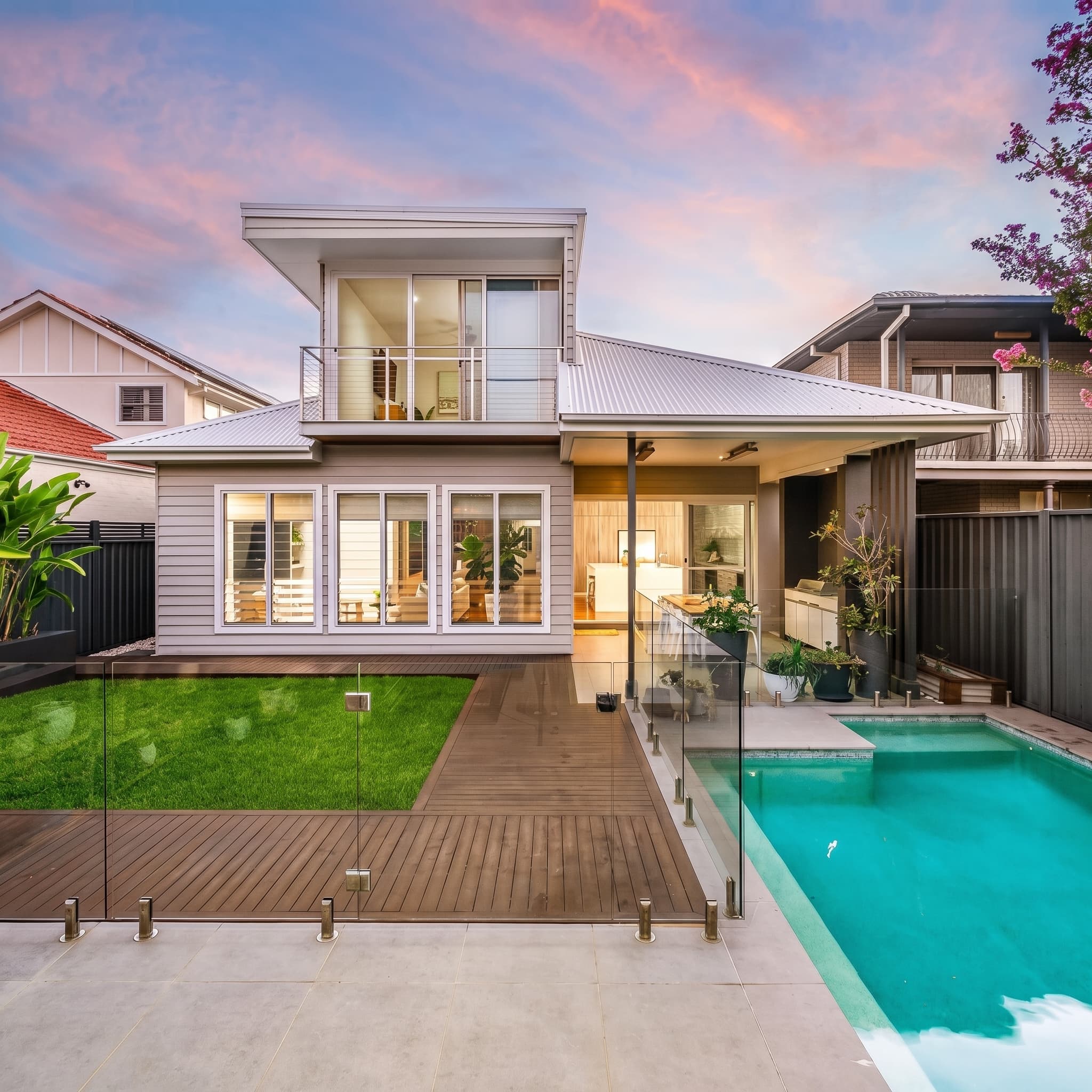
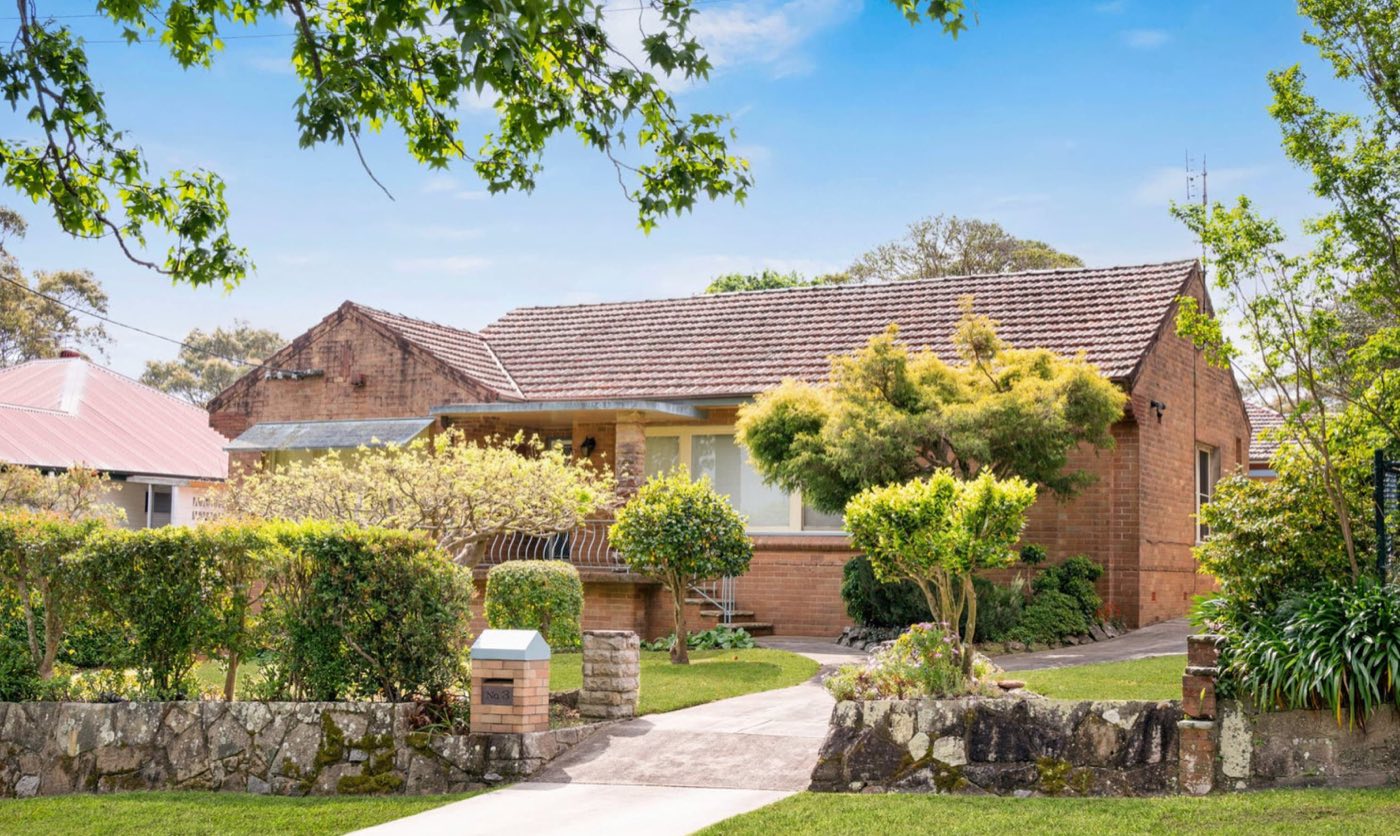
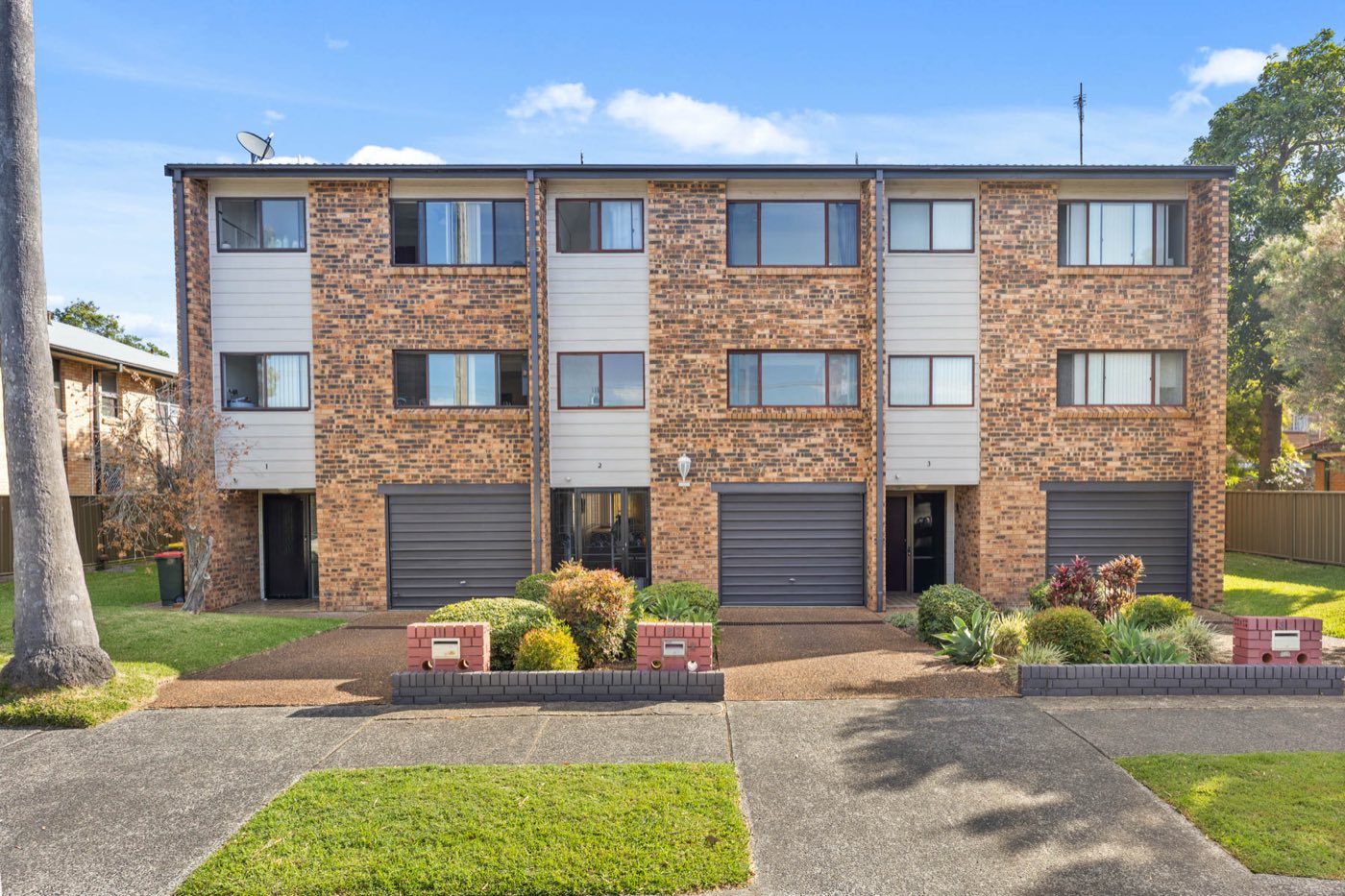
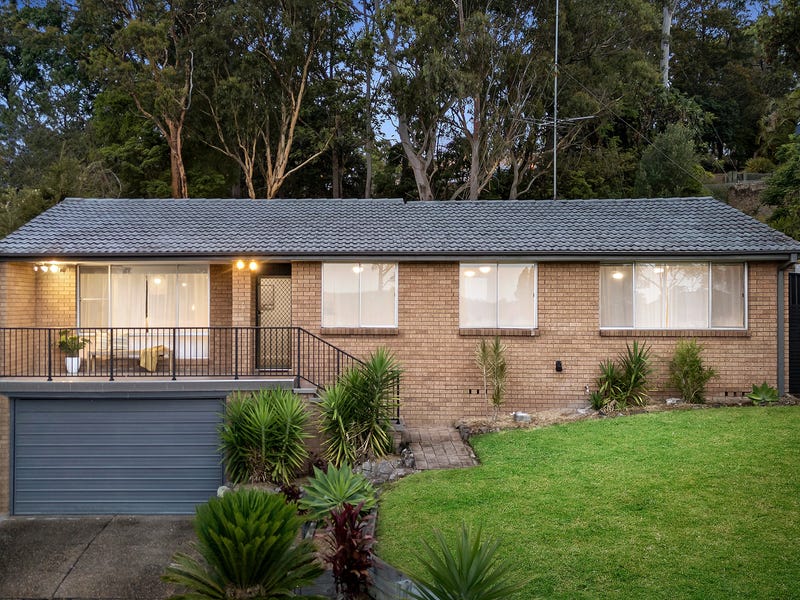
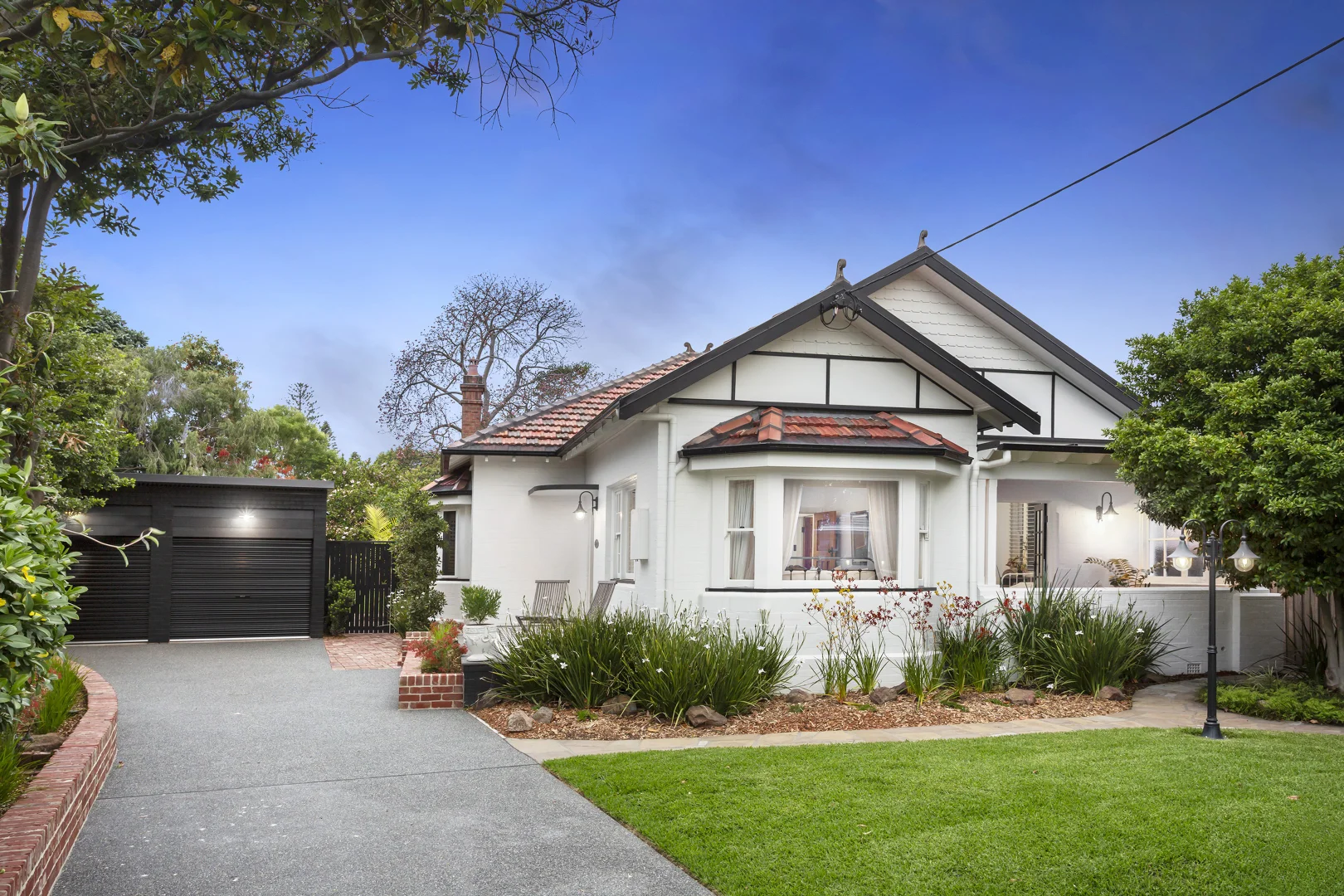
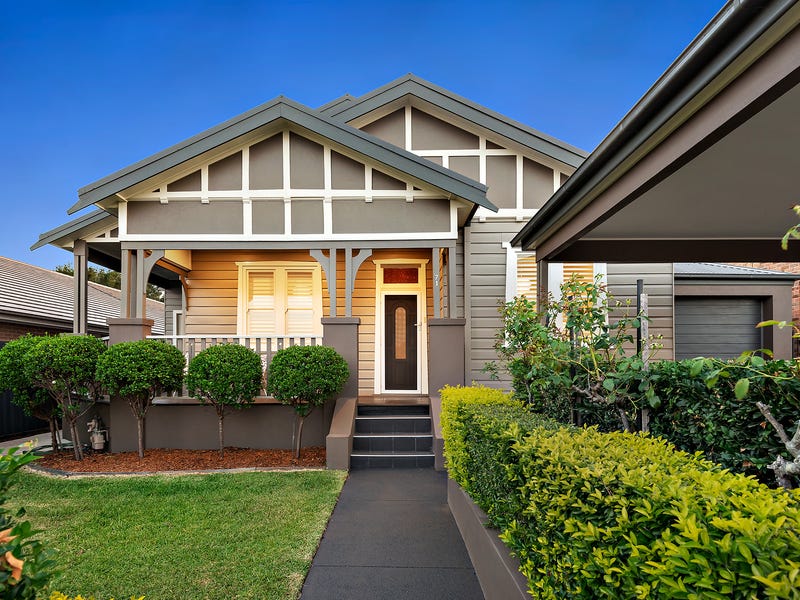
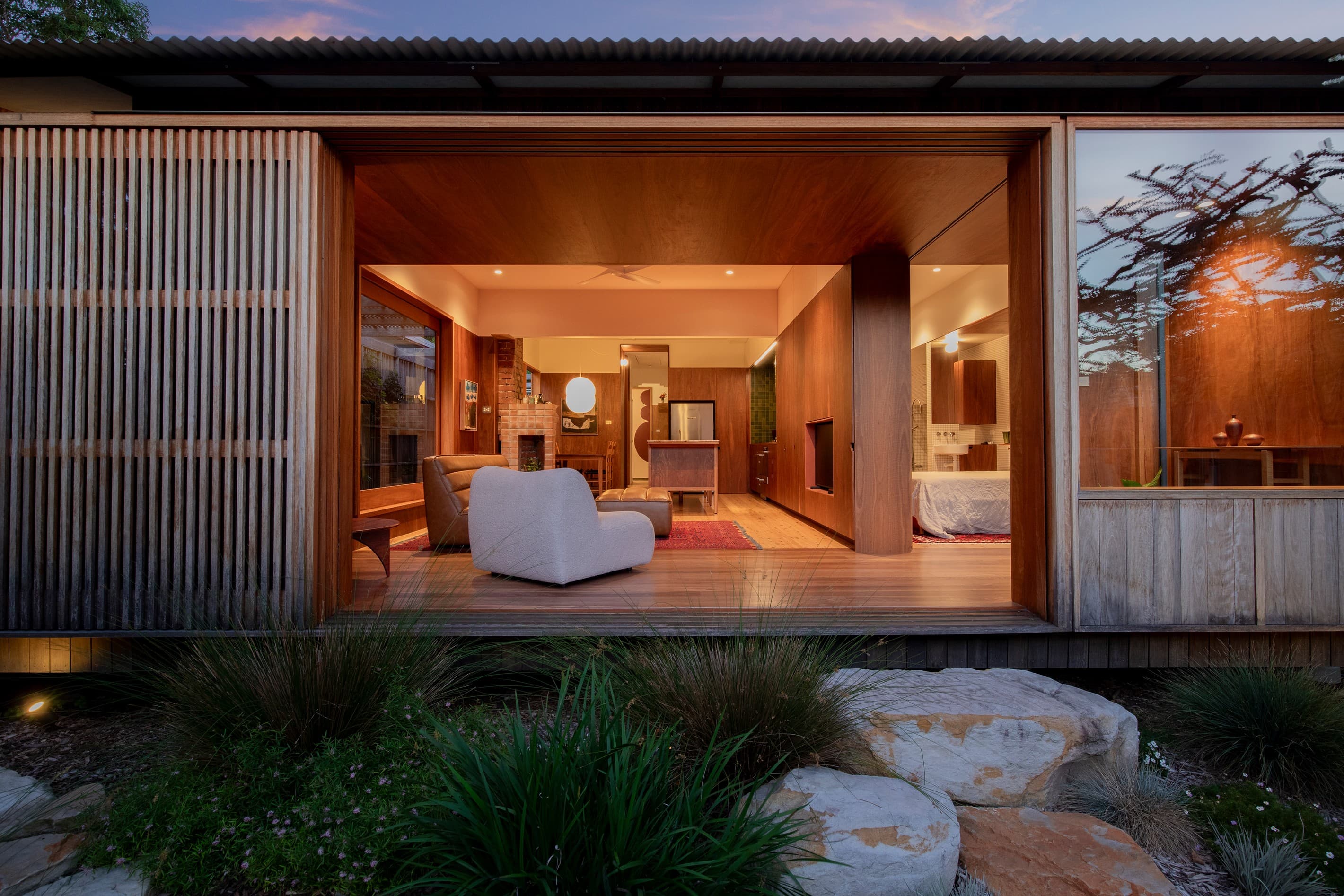
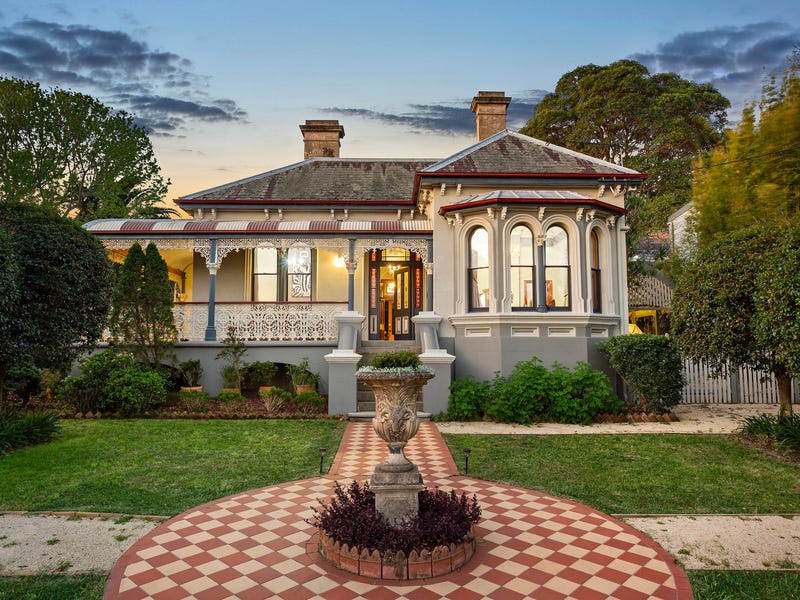
Newcastle houses we’ve actually bought
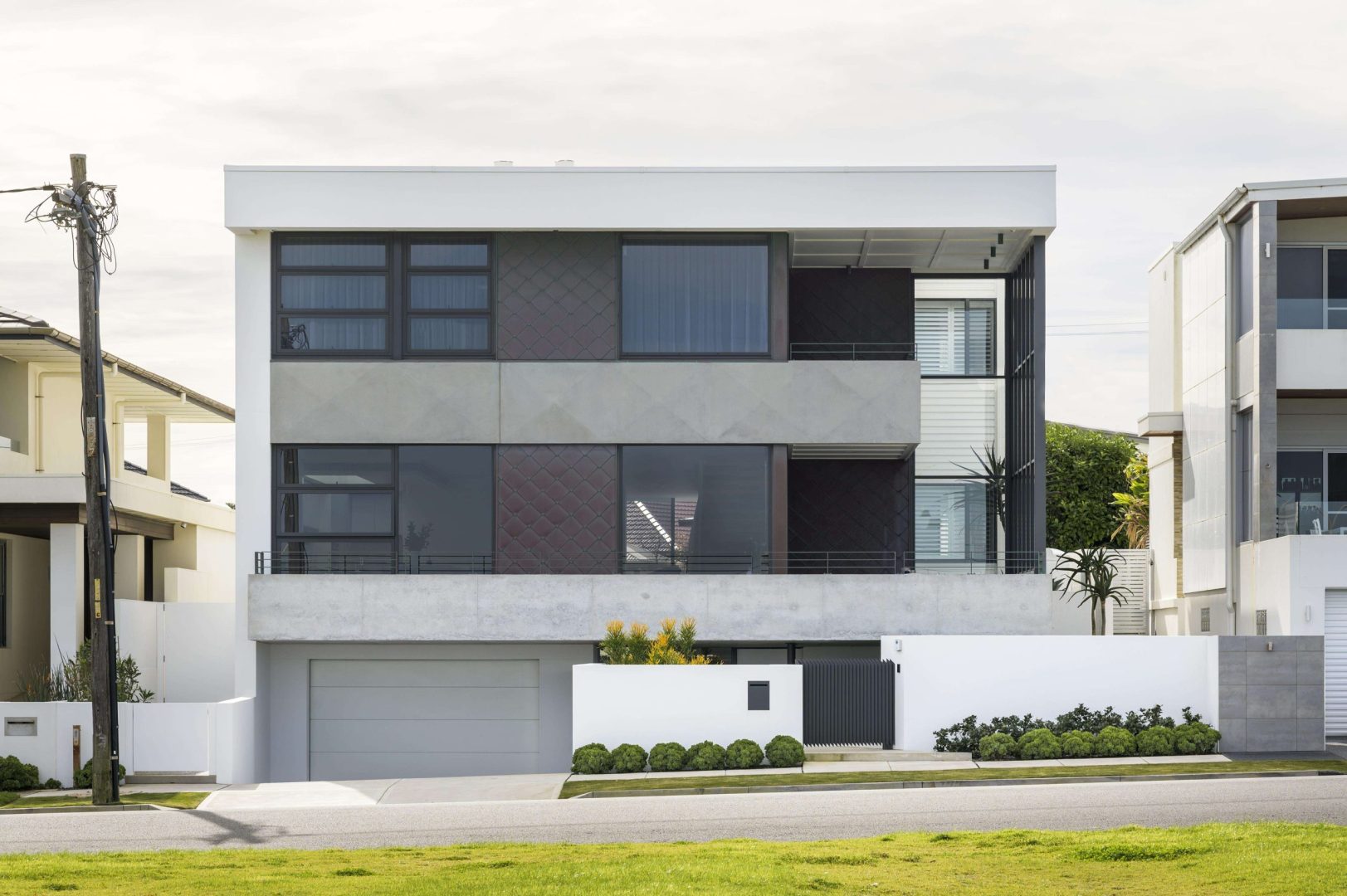
Not stock photos. Real Newcastle purchases, each with the number that mattered on it. This is the whole pitch: the house is the outcome, the number is the product.
Where Newcastle sits in its cycle
Read the whole decade and Newcastle looks like a steady grower, up about 82.97% over ten years. Read the middle of it and you see the real shape. After the 2021 surge, house growth flattened for a few years, only around 27% across the last five, then turned firmly back up in the last twelve months. The forward signals are constructive: Newcastle still trades at a discount to pricier neighbours like Lake Macquarie, and the measures that track how far a market has drifted from its own long-run trend are pointing up over the next three, five and ten years, not down. Nothing about a cycle is guaranteed. But the quiet part is usually the better time to buy, and Newcastle has only just started moving again.
What Newcastle buyers actually want
Across the council area, demand is overwhelmingly for houses, and three-bedroom houses most of all. It is a family-house market first, with a real but smaller unit and semi market underneath it.
One postcode, two completely different outcomes
Over ten years, the strongest suburb in the Newcastle council area grew more than two and a half times faster than the weakest. Same council, same “Newcastle market” the headlines talk about. The gap between them is the entire game, and it never shows up in a citywide median.
A word on that, because the percentages lie both ways. The suburbs at the top of the growth table are often the cheaper, outer-ring markets playing catch-up off a low base. The established beachside names like Merewether grow a smaller percentage because they were already expensive a decade ago and kept climbing in dollars. Percentage growth is not dollar growth, and neither one tells you whether you bought a good house. That takes a look at the actual street.
What buyers get wrong in Newcastle
The mistake runs in both directions, and it is always about socioeconomics. Buyers coming from cheaper regional markets arrive with rosy eyes: it all looks good, it is all near the water, so what could go wrong. Buyers coming down from Sydney do the opposite, they assume a whole city that trades at a discount to theirs must be a step down, and they miss how sharp the local lines are.
Both are wrong for the same reason. In Newcastle you can have a ten-out-of-ten socioeconomic pocket and, a few streets away on the same postcode, a one-out-of-ten stretch backing onto public housing. The suburb name on the contract tells you almost nothing. The pocket, the street, and who your neighbours actually are tell you everything. Buying the right pocket of the right suburb is the most underrated decision in this city, and it is the one a citywide average will never help you make.
What you’re actually paying for
Everyone can search a portal, shortlist a few houses, order a building report and make an offer. That is not the job. You are paying for the judgment inside each of those steps, the part that never shows up on a checklist and only announces itself years later, when the number is either there or it isn’t.
Before we search, we already know the map
Most buyers start with a house. We start with the pocket. By the time we are looking at properties we know which streets of which suburb hold value and which quietly leak it. We are not searching. We are arriving.
The shortlist is really a reject list
The value isn’t the three houses we send you. It’s the ninety we killed: the flood overlay, the mine subsidence, the sinking strata fund, the one-out-of-ten pocket wearing a ten-out-of-ten postcode. We find the lemon before you own one. The best money we save you is on the house you never buy.
We price the house, we don’t fall for it
You get a number we can defend and the evidence under it, so you know the ceiling before the emotion arrives. The house is the outcome. The number is the product. If we don’t beat the bank valuation, you don’t pay our fee.
You negotiate a few times in your life. They do it every day
The selling agent negotiates for a living, on the vendor’s side, and reads inexperience in a sentence. We run your side the way they run theirs, then hold the deal together to settlement so what you agreed to is what you get.
The five steps are the easy part. Knowing which house not to buy is the whole job.
The best of it never gets listed
A lot of the best Newcastle stock never reaches realestate.com.au or Domain. It sells quietly, on relationships, before a campaign ever starts: prestige homes, tightly held family houses, off-market investor stock. Here is what matters for you. When we are actively engaged on a brief, we see around 95% of the stock before it goes online. A lot of what you eventually scroll past, we had already walked through. If it is on the open market, you are often already too late.
Where we buy
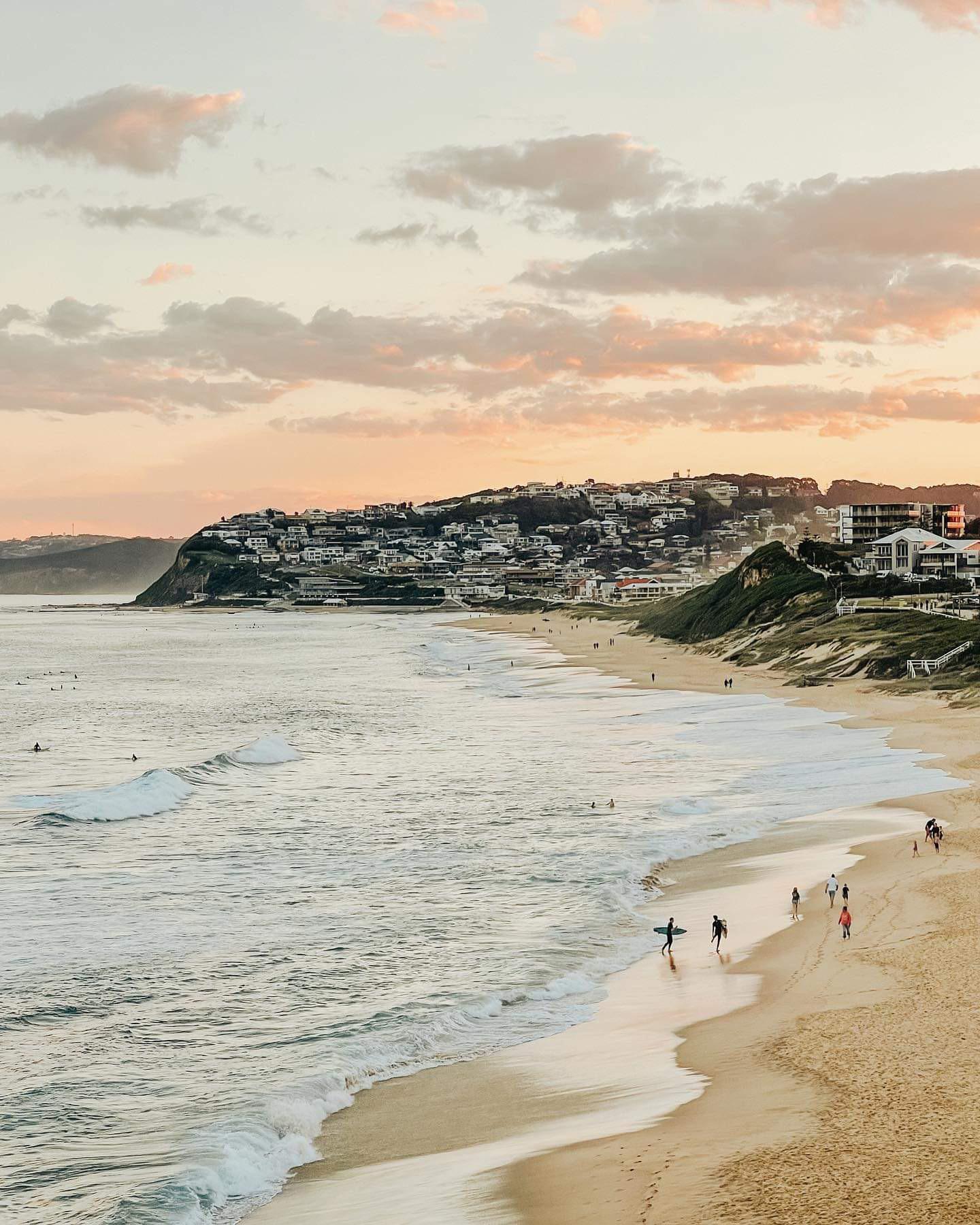
We work across Newcastle and the wider Hunter: the full Newcastle council area suburb by suburb, plus Lake Macquarie, Maitland and Port Stephens. Inside Newcastle that runs from the beachside blue-chip of Merewether and Bar Beach, through the established inner ring of New Lambton, Hamilton, Lambton and Adamstown, to the growth end in Fletcher, Mayfield and Wallsend. Different pockets, different games, one approach: know which is which before you look at a single house.
Explore Newcastle by suburb
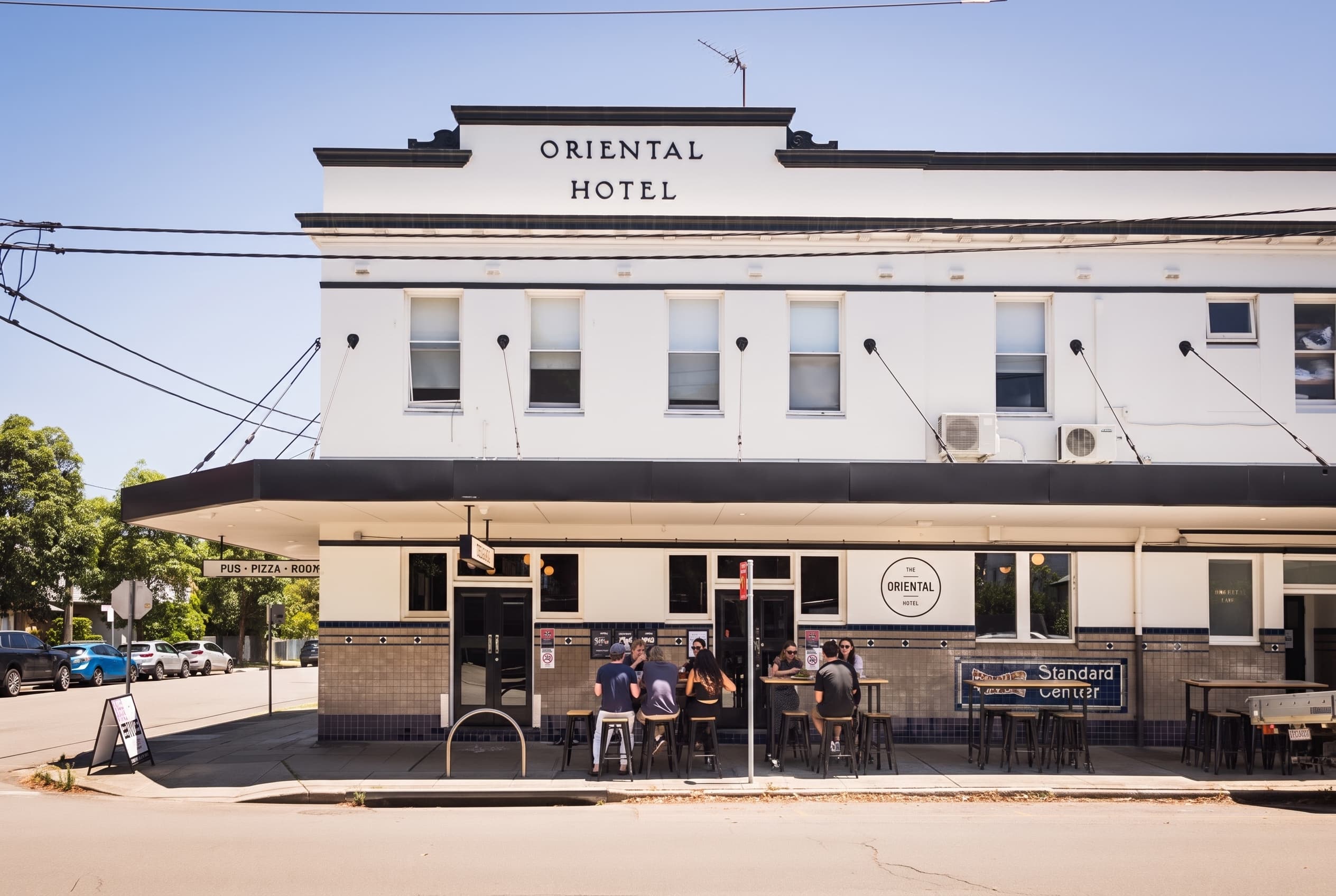
Deep-dive guides to the suburbs we know best, each with the real data, the pockets that hold value, and the streets to price carefully.

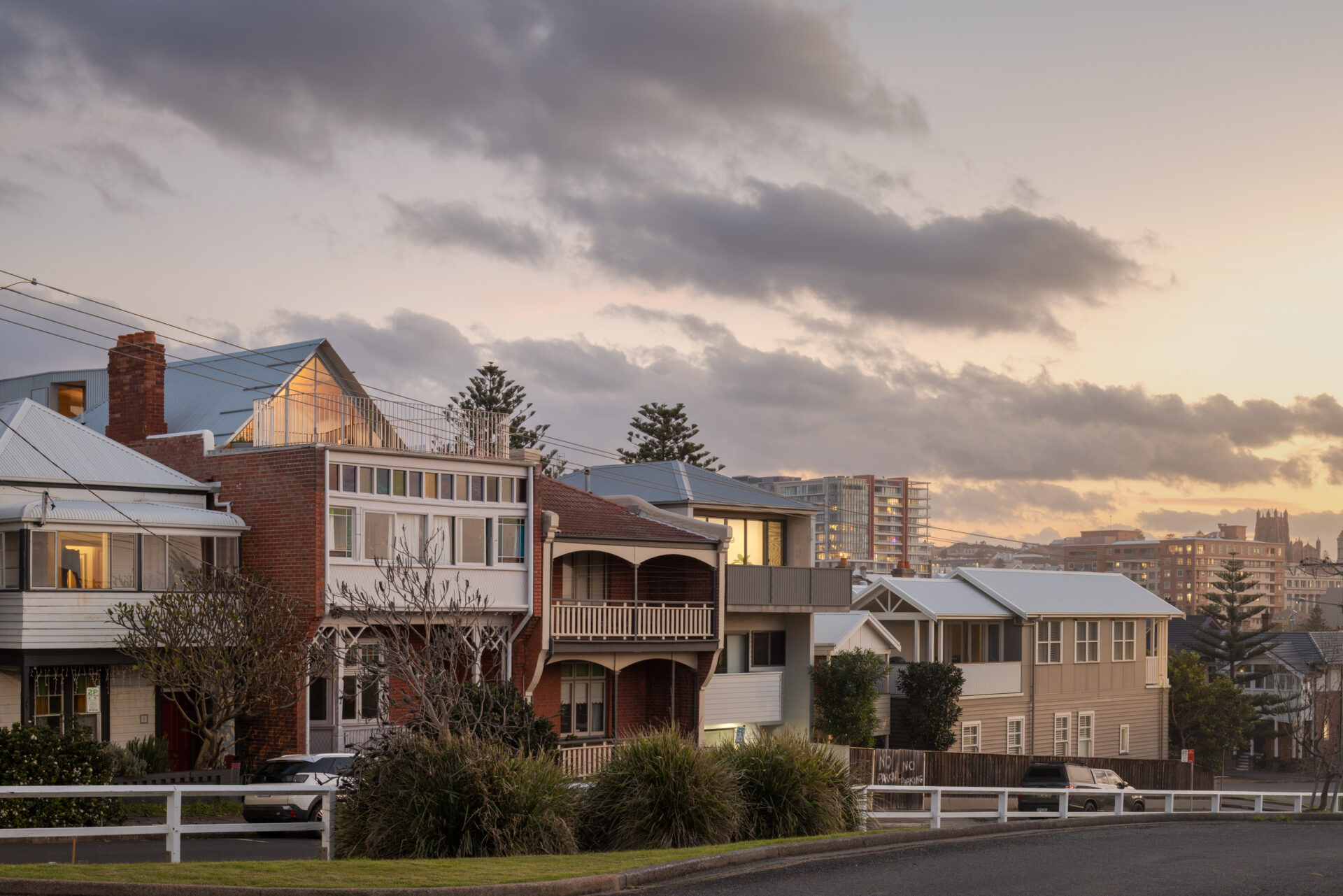
More suburbs landing regularly.
The growth spread, in five and five
Over ten years the fastest and slowest Newcastle suburbs finished a world apart, on the same council rates. The top of the table is usually cheaper outer-ring stock playing catch-up off a low base, while the established names grow a smaller percentage off a much higher one. Percentage growth is not dollar growth, and neither tells you whether you bought a good house.
| Fastest 10-year growth | 10yr | Slowest 10-year growth | 10yr |
|---|---|---|---|
| Fletcher | 179% | Newcastle | 71% |
| Mayfield East | 147% | Bar Beach | 74% |
| Tarro | 135% | Hamilton | 74% |
| Waratah West | 130% | Merewether | 78% |
| Maryville | 124% | Warabrook | 79% |
The full growth spread, all 42 suburbs
Every Newcastle suburb we have ten-year house data for, ranked by growth. Read it as a map of very different markets, not a shopping list. The top is not automatically the better buy, and the bottom is not automatically the worse one.
| Suburb | 10-year growth | Past 12 months |
|---|---|---|
| Fletcher | 179% | +11.5% |
| Mayfield East | 147% | +12.7% |
| Tarro | 135% | +10.7% |
| Waratah West | 130% | +12.9% |
| Maryville | 124% | +7.2% |
| Merewether Heights | 122% | +6.3% |
| Tighes Hill | 122% | +10.5% |
| Islington | 121% | +10.4% |
| Mayfield | 121% | +13.4% |
| Lambton | 120% | +12.3% |
| Stockton | 120% | +12.1% |
| Elermore Vale | 117% | +10.6% |
| North Lambton | 116% | +14.5% |
| Kotara | 113% | +10.3% |
| Beresfield | 113% | +10% |
| Maryland | 112% | +13.2% |
| Shortland | 112% | +12.7% |
| Birmingham Gardens | 110% | +13.8% |
| Waratah | 110% | +11.7% |
| Georgetown | 109% | +10.1% |
| Minmi | 109% | +5.3% |
| Wallsend | 109% | +11.2% |
| Newcastle East | 107% | +5.9% |
| Hamilton North | 103% | +8.8% |
| New Lambton | 101% | +9.6% |
| Cooks Hill | 97% | +7.6% |
| Hamilton South | 94% | +4% |
| Carrington | 92% | -1.5% |
| Adamstown | 90% | +12.9% |
| Black Hill | 90% | +5.3% |
| Broadmeadow | 89% | +6.3% |
| Jesmond | 87% | +5.2% |
| Wickham | 86% | +10.4% |
| The Hill | 82% | +4.4% |
| Hamilton East | 81% | +8.5% |
| Mayfield West | 81% | +7.3% |
| The Junction | 80% | +2.5% |
| Warabrook | 79% | +3.3% |
| Merewether | 78% | +8.4% |
| Hamilton | 74% | +8.3% |
| Bar Beach | 74% | +3.7% |
| Newcastle | 71% | -0.7% |
Source: HtAG Analytics, house dwellings, as at Q3 2026. Growth is cumulative change in typical value. 42 suburbs shown; suburbs with insufficient recent sales are excluded.
Get the number we'd pay in Newcastle
Tell us what you're after: the suburb, the budget, live-in or invest. We'll tell you, honestly, what it's worth and whether we can beat the valuation. If we can't, you won't hear a sales script.
Newcastle buyers, the questions everyone asks
Is Newcastle a good place to buy property?
It depends entirely on the suburb. Across the Newcastle council area, house values are up about 82.97% over ten years, but that average hides everything that matters: the strongest suburb grew 179% while the weakest grew 71%. Buy the right pocket and you do well. Buy the wrong one on the same postcode and you underperform for a decade. A good Newcastle buyers agent earns their fee on that one decision.
How much do you need to buy a house in Newcastle?
The typical Newcastle house sits around $1,752,000 as at Q3 2026, but that spans everything from beachside blue-chip to outer-ring family suburbs. The number you actually need depends on which of Newcastle's very different sub-markets you're buying in.
Which Newcastle suburbs have grown the most?
Over the last ten years the spread is wide. Fletcher leads the council area at about 179%, while established beachside suburbs like Merewether and Bar Beach sit lower on percentage growth off a much higher base. Percentage growth and dollar growth are not the same story, which is exactly where most buyers get it wrong.
What does a Newcastle buyers agent actually do?
We work only your side of the deal: research that produces a number we can defend, due diligence that finds the lemons before you own one, and negotiation run for you instead of the selling agent. In a market this pocketed, most of the value is in stopping you buying the wrong house on the right-sounding street. If we don't beat the bank valuation, you don't pay our fee.
What areas do you cover?
We buy across Newcastle and the wider Hunter: the full Newcastle council area, Lake Macquarie, Maitland and Port Stephens. Same approach everywhere. We know the pockets before you look at a single house.
Can you buy an investment property in Newcastle?
Yes, and Newcastle is one of the markets where getting the pocket right matters most. The ten-year growth spread here runs from 71% to 179%, so two investors buying in the same "Newcastle market" can finish the decade in completely different positions. We buy for investors chasing growth, yield, or both, and the entire job is landing you on the right side of that spread.
Do you buy off-market in Newcastle?
Regularly. A lot of the best Newcastle stock never reaches a portal. We recently secured a Merewether townhouse for an interstate investor entirely off-market and had it leased within five days. That access is exactly the kind of thing you are paying a buyers agent for.
How long does it take to buy with a buyers agent?
Sometimes as little as one to two weeks, when the brief is clear and the right property is available. A tight budget in a low-stock pocket can take a few months, because the discipline to wait for the right house is part of the value, not a delay.
Newcastle suburb guides
A buyer's-eye read on the suburbs we get asked about most: what to buy in each, and what to avoid.
See also: a full market breakdown of the Lake Macquarie growth corridor, buying in Sydney, Newcastle purchases we've made, what a buyers agent costs, first home buyers, Sydney vs Newcastle, who's moving to Newcastle, best suburbs to live in Newcastle, best suburbs for families, best suburbs to invest, is now a good time to buy, suburbs to avoid, best suburbs in Lake Macquarie, buyers agent vs real estate agent, and how MacKenzie works.