Suburb profile · The Junction
The Junction sells walkability. The whole game is getting it without the arterial noise.
The typical house sits around $2.06M and the typical unit around $1.26M, and over the past decade houses here have averaged about 6% growth a year. Right now the market is sitting at a quiet point in its cycle, which for anyone paying attention is a feature, not a flaw. The Junction is one of Newcastle's strongest walkable family and downsizer markets: Bar Beach one way, a real shopping village and schools the other, Darby Street around the corner. But its reputation hides a catch. This is not uniformly quiet blue-chip. Glebe Road and Union Street are genuine movement corridors, and the most expensive mistake here is paying side-street money on an arterial frontage. Which side of that line a house sits on is most of what a buyers agent in The Junction is for.
The short version
The Junction is blue-chip walkable Newcastle: a 10-out-of-10 socioeconomic pocket with effectively no social housing, beach, village and schools all in reach, and both houses and units growing every year in the cycle. The catch is that "The Junction" is not one market. A quiet side street near the village and a Glebe Road frontage are completely different buys, and the road, the parking and the floorplan decide the return, not the postcode.
One suburb, many different buys
The Junction is more mixed than its prestige reputation suggests. There are Federation and inter-war weatherboard and brick houses, compact semis on very small lots, villas and townhouses from several infill eras, apartments around the commercial and arterial streets, and R3 medium-density sites where redevelopment optionality underpins the land value. A large character house on the Bar Beach side and a small semi without parking near the village both say "The Junction" and trade like different suburbs.
The demand data shows where the depth actually sits:
Three-bedroom houses lead, the family and downsizer core, with two-bedroom houses and two-bedroom units close behind, the walk-to-village and one-car-professional end. Two buyer pools chasing a small, tightly held suburb.
Neither houses nor units go backwards, but they took turns leading
Track the speed of growth rather than the price and two things stand out. Both houses and units have grown every year in this series. And recently they swapped leads: houses cooled hard in 2024 to just 0.13% while units kept growing around 6.5%, so the "steady" money lately has actually been in the units, not the houses.
This is exactly where a single year's figure misleads. Read the most recent year alone and The Junction looks slow. Read the decade and houses have compounded at about 6% a year. The recent softness is the market sitting at a low point in its cycle, not a market that has stopped growing, and the quiet part of the cycle is usually the better time to be buying, not the worse. Back in 2023, the same suburb would have shown roughly double the ten-year growth number simply because that reading started at the previous trough and ended at the peak. The lesson holds everywhere: never buy, or write off, a suburb on one year or one cherry-picked window.
The best of it never gets listed
The Junction is small and tightly held, and the strongest side-street houses and the well-designed townhouses are the scarcest stock in it. A lot of that changes hands quietly, on relationships, before a campaign starts. Here is the part that matters for you: when we are actively engaged on a brief, we see around 95% of the stock before it goes online. A lot of what you eventually scroll past on realestate.com.au and Domain, we had already walked through.
What buyers get wrong in The Junction
The big one is paying a quiet-street price on a Glebe Road or Union Street frontage. Those roads are a genuine benefit for access and walkability, right up until the bedrooms and the living space face the traffic. The second is the R3 medium-density zoning: great if you are buying land and redevelopment optionality, but it also means a neighbour can redevelop and overlook you, so it cuts both ways. Then there is flood, some Glebe Road properties carry flood-planning overlays, so get a Flood Information Certificate for the specific lot rather than generalising. Parking is the constant trap on small semis and older stock, and "walk to Bar Beach" is not as flat as the marketing suggests, parts of it are properly topographic. And verify the school catchment by the exact address, do not assume it.
What's changed, and what's coming
The most tangible recent investment for Junction families is the Newcastle High School redevelopment, completed in June 2026, a major upgrade to the campus that serves this whole part of the city. The Bar Beach pedestrian and cycle upgrades are also complete, which strengthens the village-to-coast connection. Beyond that, the story is steady medium-density evolution around the village and the larger R3 sites rather than one single mega-project, worth watching if you are buying next to a redevelopable block.
The part the data can't price
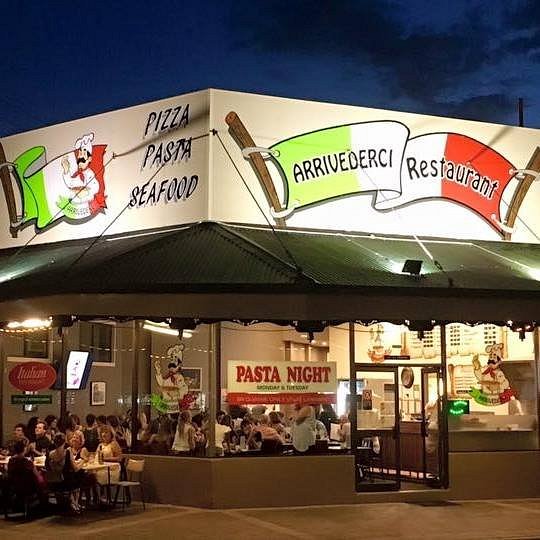
The numbers explain why The Junction holds its value. They do not explain why people want to live inside a five-minute walk of it. The village genuinely works: The Junction Hotel, Emilio's Ristorante, Lotus Corner, the supermarkets and the daily services that let you live here with one car, with Bar Beach and Darby Street either side. The strip has turned over the years, and locals still miss Arrivederci on the corner, but that is the point: this is a real neighbourhood with a memory, not a set of listings. The Junction Public School and St Joseph's are embedded in the identity and Newcastle High is close, though you should confirm the exact catchment by address.
Get the number we'd pay in The Junction
Tell us what you're after. We'll tell you, honestly, what it's worth and whether we can beat the valuation. If we can't, you won't hear a sales script.
The Junction buyers, the questions everyone asks
Is The Junction a good place to buy property?
For the right buyer, yes. The Junction is one of Newcastle's strongest walkable family and downsizer markets: a 10-out-of-10 socioeconomic pocket with effectively no social housing, walking distance to Bar Beach, a real shopping village, schools and Darby Street. Both houses and units have grown every year in the cycle. The trap is assuming the whole suburb is quiet blue-chip. Glebe Road and Union Street are genuine movement corridors, and paying side-street money on an arterial frontage is the classic mistake here.
How much do you need to buy in The Junction?
As at Q3 2026 the typical house sits around $2.06M and the typical unit around $1.26M, but the range is wide because the stock is so mixed. A 600sqm-plus character home on the Bar Beach side is a very different number to a compact semi with no parking near the village. You are buying a specific road and a specific floorplan, not the suburb average.
Houses or units in The Junction?
Both have grown every year in the series, but the recent story is a twist: houses cooled hard in 2024, up just 0.13%, while units kept growing around 6.5%, so units have quietly been the steadier recent performer. The catch is parking and design. Scarce, well-designed townhouses trade well, but small semis and villas without proper parking or outdoor space become obvious at resale against a better-built townhouse.
What are the best streets in The Junction?
Kenrick Street, Ravenshaw Street, Bruce Street, Turnbull Street and the good residential side streets near the village and beach are the premium pockets: walkable without taking the full traffic load of Glebe or Union. The eastern Glebe Road and Bar Beach side has larger blocks and strong beach access, but frontage matters, a deep block with a rear north aspect can outweigh a busy frontage. Glebe Road and Union Street themselves should be priced carefully for traffic, noise and medium-density redevelopment potential.
Source: HtAG Analytics, houses unless noted, typical values as at Q3 2026. Growth is change in typical value over the prior 12 months.
See also: buying across Newcastle, Newcastle purchases we've made, what a buyers agent costs, and how we buy in neighbouring Bar Beach, Merewether and Cooks Hill.