Suburb profile · Mayfield
Mayfield is a classic Newcastle house market that quietly outgrew its neighbours.
The typical house sits around $1.16M and has averaged about 8.1% growth a year over the decade, roughly 118% in total, one of Newcastle's strongest runs. Unlike the coastal and heritage pockets, Mayfield is refreshingly straightforward: demand is overwhelmingly for one thing, the three-bedroom character house, and most buyers here want a version of the same home. So the real question is not which street. It is timing. After a decade of outperformance Mayfield now sits pricier than several of its neighbours, which means the sharper call is whether the next leg of value is still here or one suburb over. Making that call, and steering you past the few genuine exceptions like the Maitland Road frontage and the industrial edge, is most of what a buyers agent in Mayfield is for.
The short version
Mayfield is a big, central, character-rich suburb and one of Newcastle's strongest growers, around 8.1% a year over the decade (about 118%). It is also refreshingly typical: demand concentrates on the three-bedroom house and most buyers want a version of the same thing. The real nuance is timing, not street selection. After that run Mayfield sits dearer than several neighbours, so the next leg of value may favour the cheaper markets nearby. Watch the Maitland Road frontage and the industrial edge, and do not confuse Mayfield with Mayfield West or Mayfield East.
A straightforward house market, with a couple of edges to watch
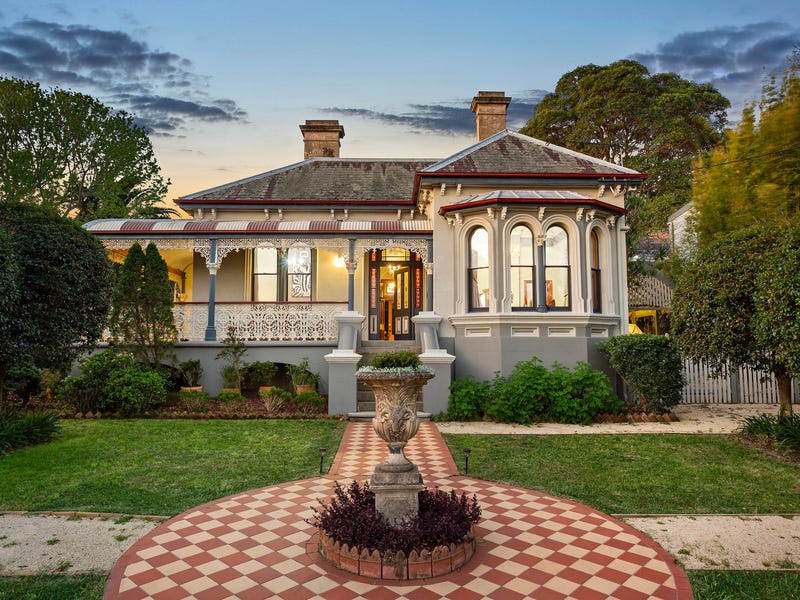
Mayfield is roughly 75% detached houses with about 17% semis and a smaller, rising apartment share. The stock runs from workers cottages, through Federation and inter-war weatherboard and brick homes and California bungalows, to renovated family houses on 400 to 600sqm-plus lots and some duplex and townhouse infill. But unlike a lot of Newcastle, the buyer here is remarkably consistent: most people want the same thing, a three-bedroom character house on a normal residential street. The exceptions, the ones to price differently, are the newer apartments on the Maitland Road corridor and the homes exposed to Industrial Drive and port activity. The demand data shows how house-led and how concentrated it is:
Entry level is about $550,000 for a one-bedroom unit, while the premium character market runs to around $3M, the high mark being 47 Church Street at $3M in 2022. That spread, from a $550k unit to a $3M house, is exactly why you price the actual house, not the suburb average.
A strong grower, but a cyclical one
Track the speed of growth rather than the price and Mayfield reads as a strong but genuinely cyclical suburb: solid through the 2010s, a dip in 2019, a huge 22% surge in 2021, a flat patch into 2023, and a strong turn back up since. Read any single year alone and you will misjudge it; the decade averages to about 8.1% a year, one of the better runs in Newcastle.
The honest catch: the value may be next door
Here is something most agents will not tell you. Mayfield has run so hard for so long that it now sits more expensive than several of its immediate neighbours, and the forward indicators point to more of the next leg of growth landing in those cheaper adjoining markets than in Mayfield itself. That is not a reason to avoid Mayfield. It is a reason to be precise: buy the genuinely scarce pocket, do not overpay on the strength of the last decade, and stay open to the idea that the smarter buy is sometimes one suburb over. That is a call we make on your specific brief, not on the postcode.
The best of it never gets listed
The market moves fast: about 22 days on market on only around 1.45 months of stock, with vacancy near 1.09% and homes held about 9.5 years. The scarce product, the good character house in an elevated, quiet pocket, often changes hands quietly, on relationships, before a campaign starts. Here is the part that matters for you: when we are actively engaged on a brief, we see around 95% of the stock before it goes online. A lot of what you eventually scroll past on realestate.com.au and Domain, we had already walked through.
What buyers get wrong in Mayfield
The first mistake is the industrial interface: check truck routes, prevailing noise, night operations and the exact relationship to Port of Newcastle land before you buy on the northern edge. The second is Maitland Road, where the convenience is excellent but the acoustic amenity is nothing like a quiet side street. The third is flood and drainage, the broader Throsby system is real, so get property-specific data rather than trusting how a block looks. The fourth is the neighbour: R3 and medium-density land can be redeveloped, so check what can go up beside you. And the fifth is renovation quality, many cottages are genuinely old, so termite, subfloor, drainage, wiring and past additions all deserve scrutiny.
What's coming / catalysts
Mayfield's pipeline is not purely residential, which is part of its character and part of its risk. The long-standing Mayfield port-terminal concept remains a major industrial and logistics land-use story on the northern edge, and current port berth investment supports jobs while reinforcing heavy-industrial amenity and freight traffic nearby, a mixed catalyst, not a one-way positive. On the residential side, the NSW Planning Portal lists a Wests Mayfield Seniors Housing proposal at 32 Industrial Drive in the "Prepare EIS" stage, with an earlier certificate contemplating around 176 self-care units, treat that as pipeline, not approved final form. And apartment stock keeps building along Maitland Road.
The part the data can't price
The numbers explain the growth. They do not explain why Mayfield has become one of Newcastle's genuine food-and-coffee suburbs. Equium Social, Side Pocket Espresso and Onyx are the local anchors, the Stag & Hunter Hotel and the Mayfield Hotel are the defining pubs, and Dangar Park and the Mayfield Swimming Centre carry the family and recreation side. Maitland Road is the everyday spine for shops and services, and the CBD is roughly 5 to 6 km away depending on the pocket. It is central, characterful and still relatively affordable, which is exactly why it ran so hard.
Get the number we'd pay in Mayfield
Tell us what you're after. We'll tell you, honestly, what it's worth and whether we can beat the valuation. If we can't, you won't hear a sales script.
Mayfield buyers, the questions everyone asks
Is Mayfield a good place to buy property?
For a value-conscious character buyer who will do street-level homework, yes. Mayfield has been one of Newcastle's strongest growers, houses have averaged around 8.1% a year over the decade, about 118% in total. But two things temper that. It is a street-selection suburb, where 100 metres changes the buyer proposition entirely, and after that big run it now sits more expensive than several of its neighbours, so some of the next leg of growth may land next door instead. It is still a buy, you just have to be precise about the pocket and the price.
How much do you need to buy in Mayfield?
As at Q3 2026 the typical house sits around $1.16M and the typical unit around $932,000, with entry level about $550,000 for a one-bedroom unit. The premium character market runs to around $3M, the top being 47 Church Street at $3M in 2022. And do not confuse the three Mayfields: Mayfield West is more affordable and a little further out, Mayfield East is the premium end closer to town. They are separate markets.
Houses or units in Mayfield?
Houses are the engine. Three-bedroom houses are by far the most in-demand dwelling type, and the house market has done the heavy lifting on growth, though with real cyclicality, including a negative year in 2019 and a 22% surge in 2021. Units and apartments are a growing but smaller part of the market, concentrated along the Maitland Road corridor where new supply is rising, so older unit stock needs a clear price advantage over the new builds.
What are the best streets in Mayfield?
The elevated historic residential streets, Hanbury Street a clear example, sit at the top, along with the well-presented side streets off Maitland Road that give you walkability without the arterial. Price carefully on the Maitland Road frontage itself (retail, traffic, rising apartment stock), on the Industrial Drive and port-facing northern edge, and on any low-lying land in the Throsby catchment, where you should get a Flood Information Certificate for the lot.
Source: HtAG Analytics, typical values as at Q3 2026. Growth p.a. is the 10-year average annual change in typical value (10-year total 118%). House-based series.
See also: buying across Newcastle, Newcastle purchases we've made, what a buyers agent costs, and how we buy in neighbouring Maryville, Islington and Waratah.