Buyers agent · Sydney
There is no one Sydney market.
Sydney is one city and about five million different housing decisions, so a citywide median is close to useless for buying: it averages together people solving completely different problems. What you are really buying is access, and the market is built to make you pay for it emotionally. A Sydney buyers agent is the one clear head in a market designed to cloud yours.
If we don't beat the independent valuation, you don't pay our fee.
The short version
Sydney is not a housing market so much as a market for access, to work, schools, family, coast and community, and every purchase is a trade of one form of access for another. Right now the city is easing, down about 5.3% from its January peak, but the top and bottom of the market are moving in opposite directions, which is the whole point: there is no single "Sydney". Long term it has still grown about 50% in a decade. The job is not finding a house. It is holding a clear, independent number in a market engineered to move yours.
The average is hiding two markets moving in opposite directions
Here is the clearest proof that a Sydney median tells you almost nothing. Over the three months to July 2026, the top quarter of the market by value fell about 3.2%, while the bottom price tier actually rose about 0.3%. At the same time houses were down around 2.5% over the year while units held far steadier at about 0.6%. Same city, same month, opposite directions. A single "Sydney is down 2%" headline averages all of that into a number that describes almost no actual buyer.
Down at the suburb level the spread is wider still, from harbourside and beachside markets in the millions to unit markets and outer growth corridors at a fraction of that, each on its own cycle. That dispersion, not the citywide average, is where the entire decision lives. Buy the right pocket and the right asset and the headline barely matters. Buy the wrong one on a good postcode and you can underperform the "market" for a decade.
The same city, thirty-one different decades
The clearest way to see the "no one market" point is to stop looking at "Sydney" and look at its councils. Over the past ten years the gap between the fastest and slowest Greater Sydney council areas is enormous, and it runs almost exactly opposite to price. The cheaper outer-ring markets grew the most in percentage terms, catching up off a low base, while the established eastern and lower-north-shore names grew the least in percentage terms because they were already expensive and kept climbing in dollars instead. Percentage growth is not dollar growth, and neither one on its own tells you whether you bought a good house.
Over ten years Camden grew almost ten times faster in percentage terms than Woollahra, off completely different price bases. Same "Sydney market" the headlines average together. And the gap between suburbs, inside these same councils, is wider still.
| Fastest 10-year growth | 10yr | Slowest 10-year growth | 10yr |
|---|---|---|---|
| Camden | 101.9% | Woollahra | 10.9% |
| Campbelltown | 91.4% | Hunters Hill | 22.3% |
| Penrith | 88.2% | Mosman | 32.3% |
| Blue Mountains | 86.4% | Waverley | 32.3% |
| Fairfield | 84.5% | North Sydney | 38.4% |
At suburb level the spread is wider again: some Sydney suburbs have grown more than 200% in the same decade, while blue-chip names a few kilometres away grew a fraction of that in percentage terms. Which side of that you land on is not luck. It is the brief, the pocket and the number.
The full spread, all 31 Sydney councils
Every Greater Sydney council area, ranked by ten-year growth. Read it as a map of very different markets, not a shopping list: the top is not automatically the better buy, and the bottom is not automatically the worse one.
| Council area | Typical value | 10yr | 1yr |
|---|---|---|---|
| Camden | $1.32M | 101.9% | +7.3% |
| Campbelltown | $1.12M | 91.4% | +8.7% |
| Penrith | $1.23M | 88.2% | +11.1% |
| Blue Mountains | $1.23M | 86.4% | +9.0% |
| Fairfield | $1.43M | 84.5% | +11.0% |
| Blacktown | $1.30M | 80.3% | +5.1% |
| Burwood | $3.16M | 76.7% | +11.9% |
| Canterbury-Bankstown | $1.73M | 72.2% | +8.0% |
| The Hills | $2.08M | 70.5% | +4.5% |
| Canada Bay | $3.72M | 69.4% | +8.8% |
| Strathfield | $4.09M | 66.8% | +10.6% |
| Ryde | $2.87M | 65.2% | +3.7% |
| Cumberland | $1.50M | 64.5% | +8.4% |
| Northern Beaches | $2.99M | 61.8% | +3.0% |
| Liverpool | $1.33M | 60.4% | +9.0% |
| Bayside | $2.02M | 57.9% | +9.4% |
| Parramatta | $1.88M | 56.0% | +5.8% |
| Sutherland Shire | $2.13M | 55.5% | +5.9% |
| Georges River | $2.46M | 55.3% | +7.1% |
| Inner West | $2.53M | 54.9% | +5.5% |
| Hornsby | $2.17M | 51.5% | -3.4% |
| Lane Cove | $3.15M | 48.6% | -1.0% |
| Ku-ring-gai | $3.42M | 48.0% | +1.2% |
| City of Sydney | $2.66M | 44.8% | +3.5% |
| Randwick | $2.97M | 43.1% | +0.8% |
| Willoughby | $3.84M | 39.5% | +0.3% |
| North Sydney | $3.40M | 38.4% | -0.7% |
| Waverley | $4.71M | 32.3% | +2.3% |
| Mosman | $4.41M | 32.3% | +0.7% |
| Hunters Hill | $3.73M | 22.3% | +1.8% |
| Woollahra | $4.13M | 10.9% | +0.5% |
Source: HtAG Analytics, Greater Sydney council areas, as at Q3 2026. Growth is cumulative change in typical value. Council areas are grouped as HtAG segments them, which will not match every other source's regions.
What you're actually buying in Sydney is access
Buyers think they are choosing between houses. They are usually choosing between networks: school plus grandparents plus work plus Saturday sport; or CBD plus restaurants plus airport plus apartment; or beach plus flexible work plus village plus ferry. The house is just the physical container for a decision about where your household plugs into the city. Sydney has organised itself around access for 150 years, first around trains and trams, now around the Metro, employment moving west, migration, school networks and the airport. Price is simply what the city charges for the particular access you want. Naming the access you actually need, and what you will trade for it, is the first real decision, and it is one a portal cannot make for you.
The market is built to manufacture your reference points
This is the part almost no one says out loud. Sydney's transaction machinery is designed to give you a number to react to. The listing gives you an anchor. The agent gives you scarcity. The styling gives you aspiration. The crowd gives you social proof. The auction gives you other people's desire in real time, every bid a fresh piece of social information. Your last three losses give you urgency. Every one of those is a reference point manufactured for you. Anchoring is one of the best-documented effects in how people value anything: the first number you are shown quietly resets what every number after it feels like.
A genuinely independent buyers agent is the person in that room who can still say no. Not "we find off-market properties and save you time", every competitor says that. The actual value is an independent number, and the discipline to hold it while everything in the process is engineered to move it. That is worth the most precisely when the market is emotional, which is now.
Everyone pays for the view. Few price what can happen to it.
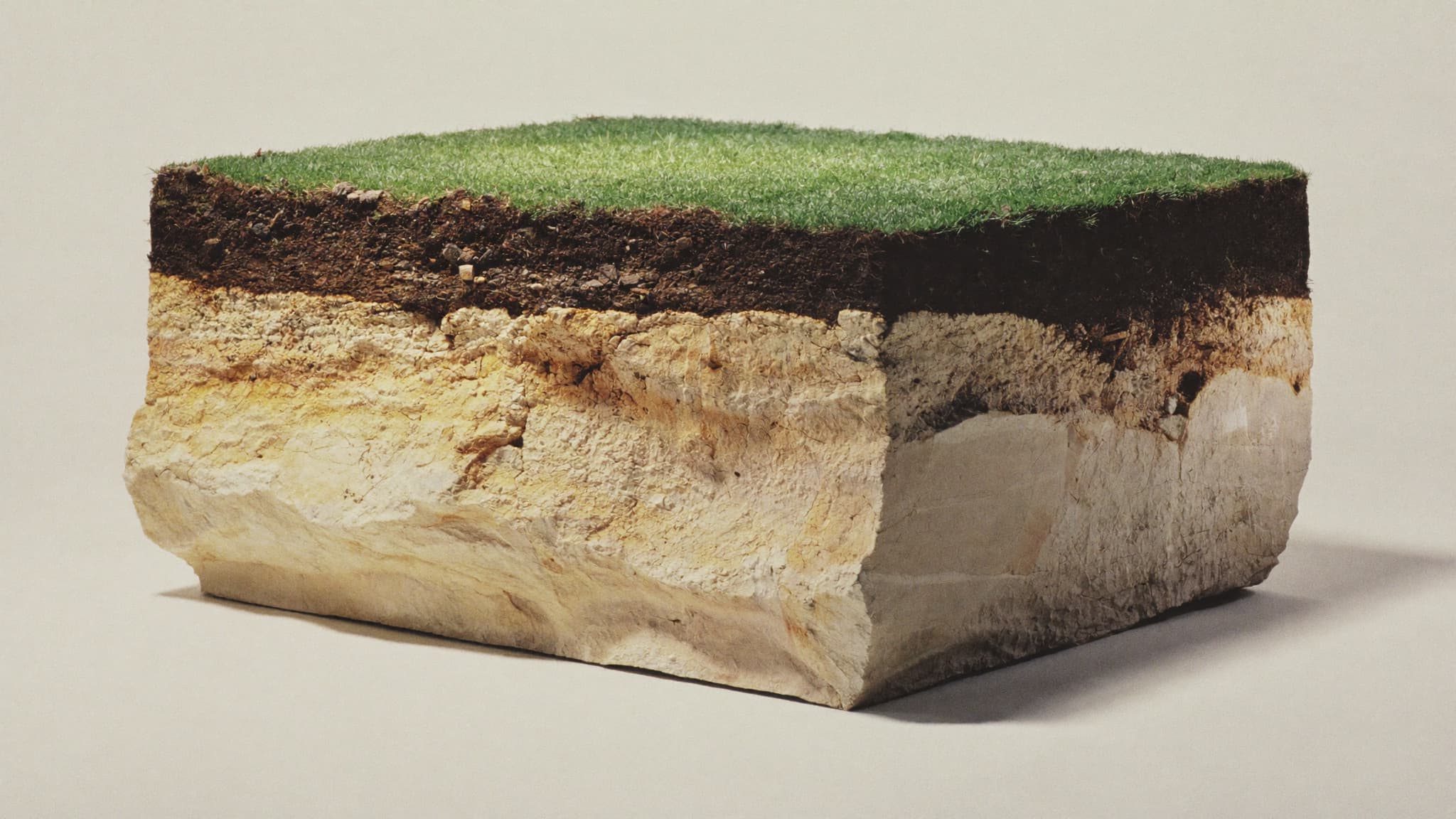
Sydney was built on sandstone, and its property is built on scarcity: a finite amount of land, and everything else is competition for it. That is why the discipline is not admiring the view, it is pricing what could take it away. The downhill block that gets developed. The corridor rezoning. The height control that changes next door. The aspect that bakes west all afternoon. The heritage listing that quietly caps what you can do. Two homes two hundred metres apart, same view today, can deserve completely different numbers once you price what can happen to them. In a rising market that discipline saves you from overpaying. In a market like this one, it saves you from buying the thing that falls hardest.
The guarantee, wherever you buy in Sydney
We work across all of Greater Sydney, and we also act for plenty of Sydney buyers who end up purchasing in Newcastle and the Hunter. Wherever you're buying, the offer is the same, and it is one no one else on this page's search results will make: if we don't beat the independent valuation, you don't pay our fee. We only take briefs where we back ourselves on the gap between price and value, because our fee depends on it.
What you're actually paying for
Anyone can search a portal, shortlist a few places and make an offer. That is not the job. You are paying for the judgement inside each step, the part that never shows up on a checklist and only announces itself years later, when the number is either there or it isn't.
We start with the access, not the house
Sydney is a market for access: to work, schools, family, the coast, a community. Before we look at a single property we get clear on the access you actually need and what you are willing to trade for it. Most buyers start with a house. We start with the decision underneath it.
The shortlist is really a reject list
The value is not the places we send you. It is the ones we kill: the block that gets developed downhill, the corridor rezoning, the west-baking aspect, the strata report that ends the conversation, the home that falls hardest in a market like this one. We price what can happen to the view, not just the view.
We hold an independent number while the market moves yours
Every part of the process is built to hand you a reference point: the guide, the auction, the styling, the losses. We bring one number we can defend, and the discipline to hold it while everything in the room is engineered to move it. If we don't beat the independent valuation, you don't pay our fee.
You buy a home a few times. They sell every day
The selling agent negotiates for a living, on the vendor's side, and reads inexperience in a sentence. We run your side the way they run theirs, then hold the deal together to settlement, so what you agreed to is what you actually get.
The best of it never gets listed
A lot of the best Sydney stock trades quietly, on relationships, before a campaign ever starts. When we are actively engaged on a brief, we see a large share of the stock before it goes online. But access is only half the job. The other half, the half that actually protects you, is telling you which of those opportunities is worth buying and which one to let go. If it's on the open market, you are often already competing with everyone else's manufactured urgency.
Get the number we'd pay in Sydney
Tell us what you're after: the area, the budget, live-in or invest. We'll tell you, honestly, what it's worth and whether we can beat the valuation. If we can't, you won't hear a sales script.
Sydney buyers, the questions everyone asks
Is a buyers agent worth it in Sydney, especially with prices falling?
A falling, rotating market is exactly when independent representation earns its fee. When values are moving and the top and bottom of the market are pulling in opposite directions, the expensive mistakes are catching a falling knife, overpaying on emotion, or buying the wrong asset in the right postcode. You are buying a specific property, not "the Sydney market". Our job is the number and the discipline, and if we don't beat the independent valuation, you don't pay our fee.
What does a Sydney buyers agent cost?
Two ways to work with us. 1.1%: we source (including off-market), do the due diligence, prep you for the inspection and negotiate; you handle the inspections. About half the usual buyers agent fee. Full service is around 1.65% and we do everything, inspections included. Either way, the guarantee stands: if we don't beat the independent valuation, you don't pay our fee.
Which parts of Sydney do you cover?
All of Greater Sydney. We take briefs right across the city, and we also act for plenty of Sydney buyers who end up purchasing in Newcastle and the Hunter. Wherever you're buying, the job is the same: an independent number and the discipline to hold it.
Can you represent an interstate or overseas buyer in Sydney?
Yes, and it is one of the clearest cases for using us. If you cannot be at every inspection and auction, you need someone whose judgement you trust to be your eyes on the ground, price the property honestly, and hold the line in the room. Distance is a reason to have representation, not a barrier to it.
Do you buy off-market in Sydney?
Regularly. But be clear-eyed about it: off-market describes how a property is distributed, not whether it is good value. Plenty of off-market stock is overpriced. The value is not the access itself, it is knowing which of those opportunities is actually worth buying, and at what number.
Market figures: Cotality Home Value Index, as at 31 July 2026 (Greater Sydney). Growth is change in dwelling values; medians are Cotality's. Analysis by Aaron Downie, MacKenzie Buyers Agency.
See also: why people use a buyers agent at all, what a buyers agent costs, purchases we've made, first home buyers, Sydney vs Newcastle, buyers agent vs real estate agent, buying from overseas, and buying in Newcastle and the Hunter.