First home buyers
Your first home is the one you can least afford to get wrong.
Finding a first home is the easy part. You can do that on your phone tonight. The hard part, the part that follows you for a decade, is knowing whether the one you found is any good, what it is worth, and whether to buy it or walk. Under auction lights every house looks like a diamond. Some are lemons. Telling the difference is the whole job, and it is the one thing no one else in the process is paid to do for you.

Everyone advising you gets paid whether or not you buy a lemon
Look at who is in the room when a first-home buyer buys. The bank sells you a mortgage. The broker tells you which mortgage. The selling agent is paid by the seller to get the highest price out of you. The listing portal sells the advertising. Every one of them gets paid the day you buy something, and not one of them is any worse off if that something turns out to be a lemon. A buyers agent is the only party in the whole transaction engaged to act for you and not the seller. That is not a slogan. It is the structure of the deal.
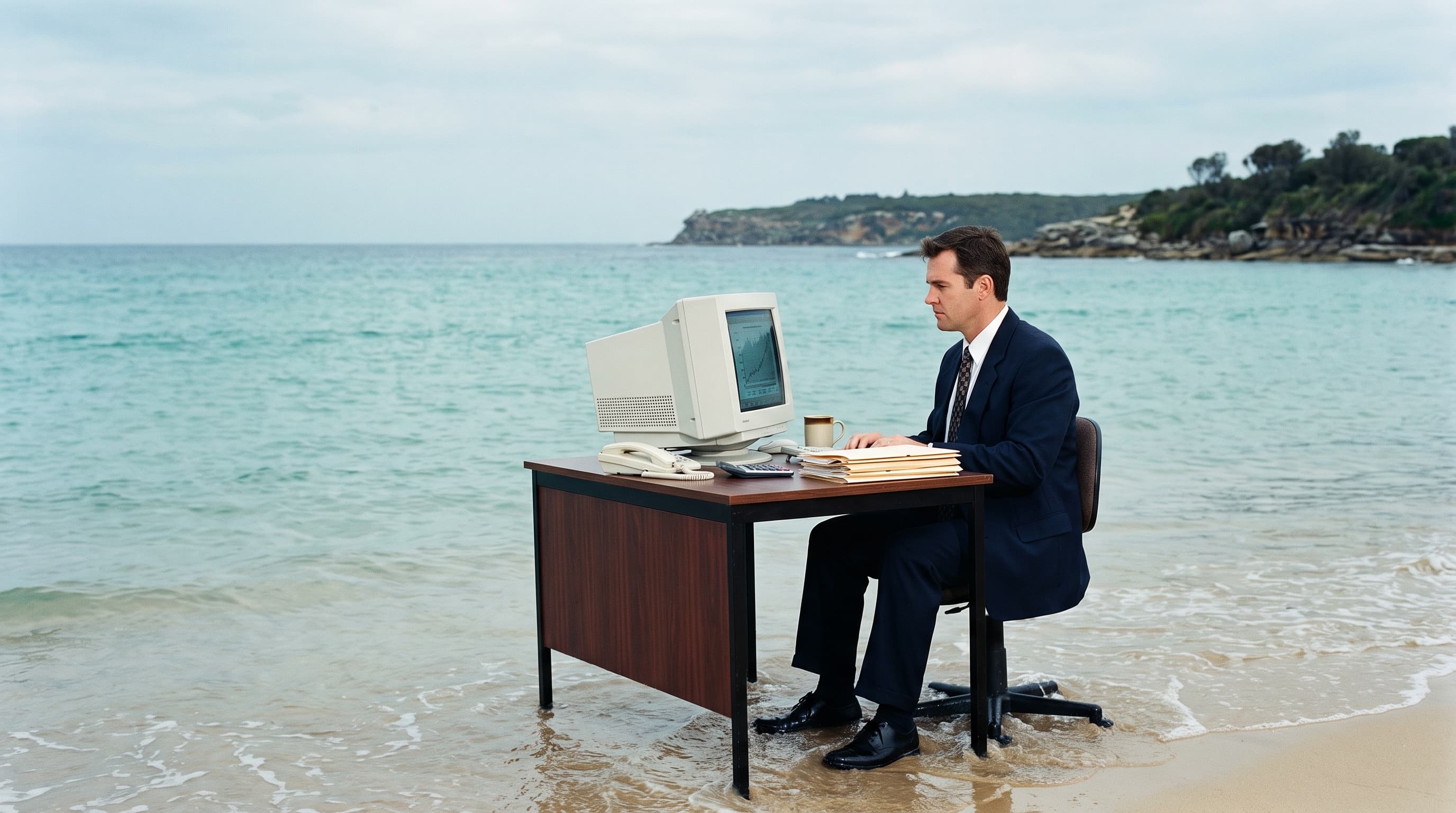
Which is worth remembering when a mortgage broker tells a first-home buyer they do not need a buyers agent. A broker is good at borrowing capacity and bank policy, from a desk. That is a genuine skill, and it is not the same as knowing property. Knowing property is walking through open homes every week for years, watching how buyers behave under pressure, and negotiating with selling agents until you can read them in a sentence. Take your broker's advice on the loan. Be careful taking it on the house.
First homes we've bought
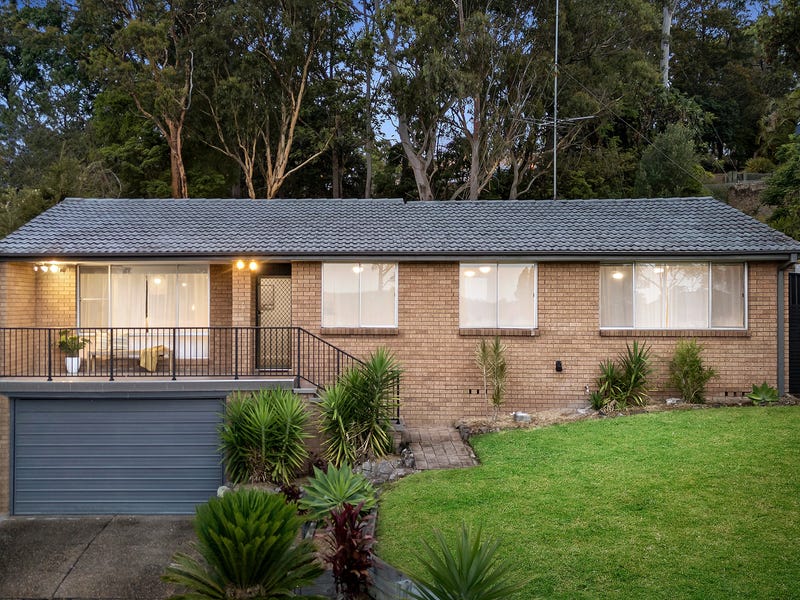
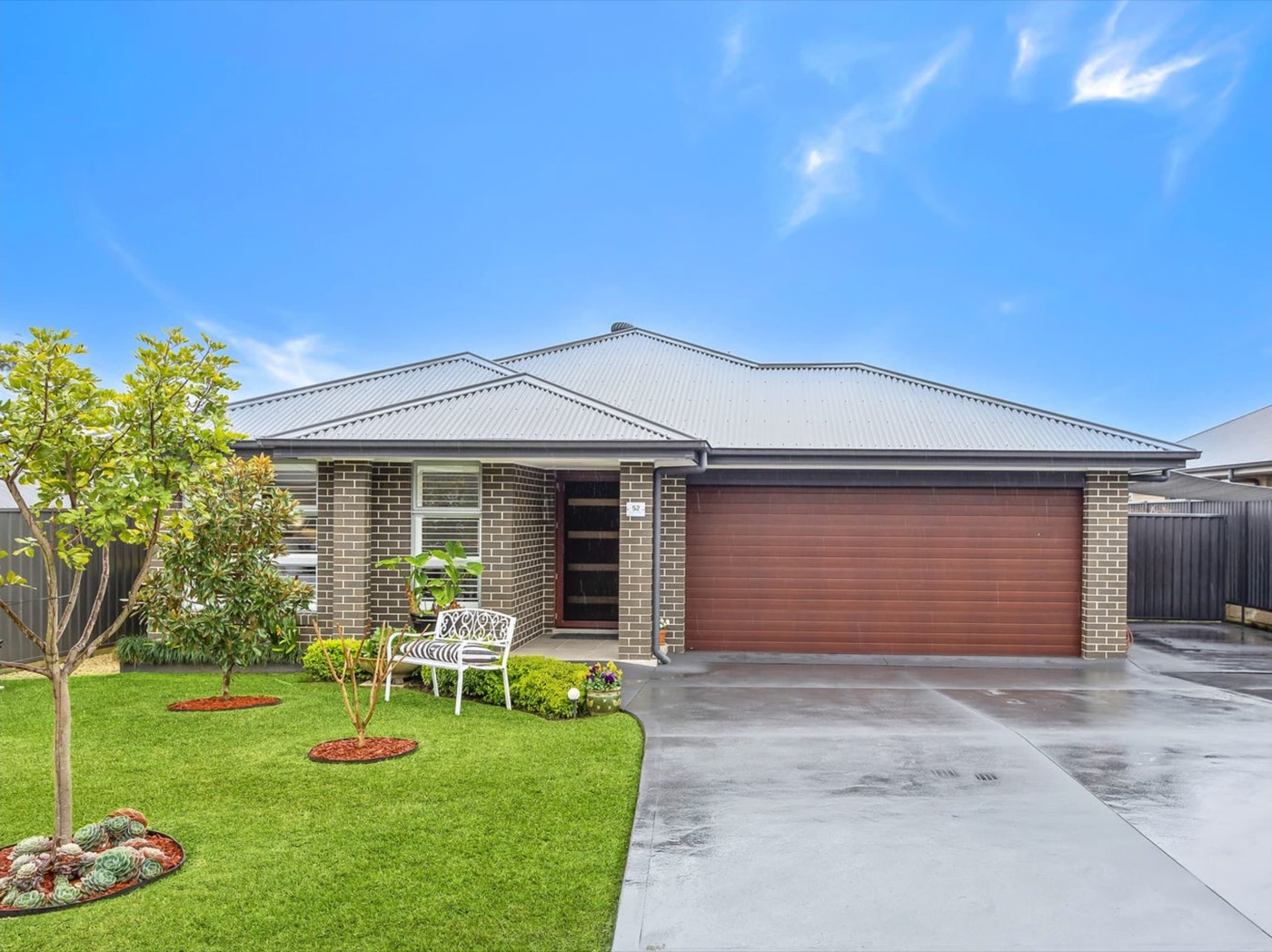
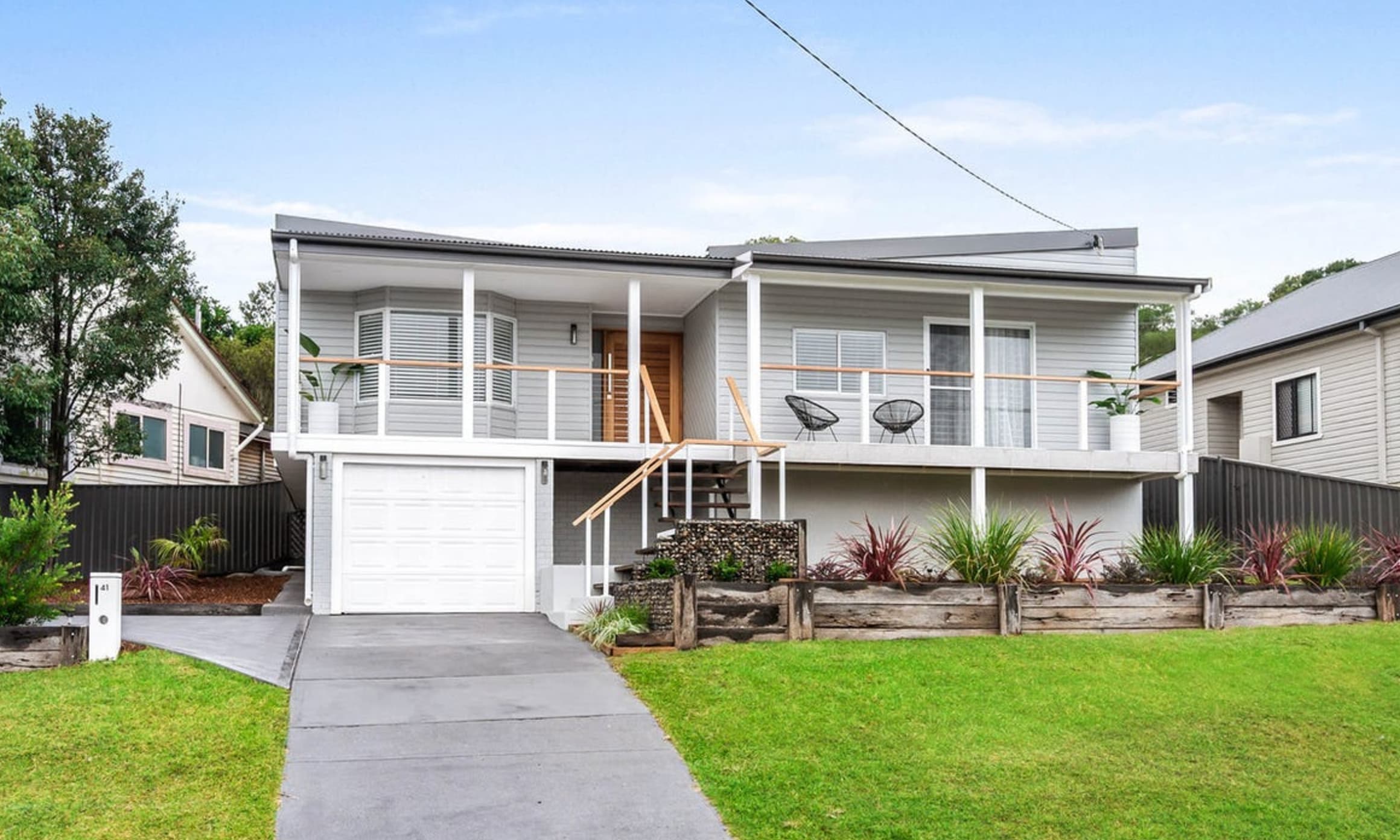
Not stock photos. Real first purchases we secured for real buyers, each with the number that mattered. Click any of them to see more.
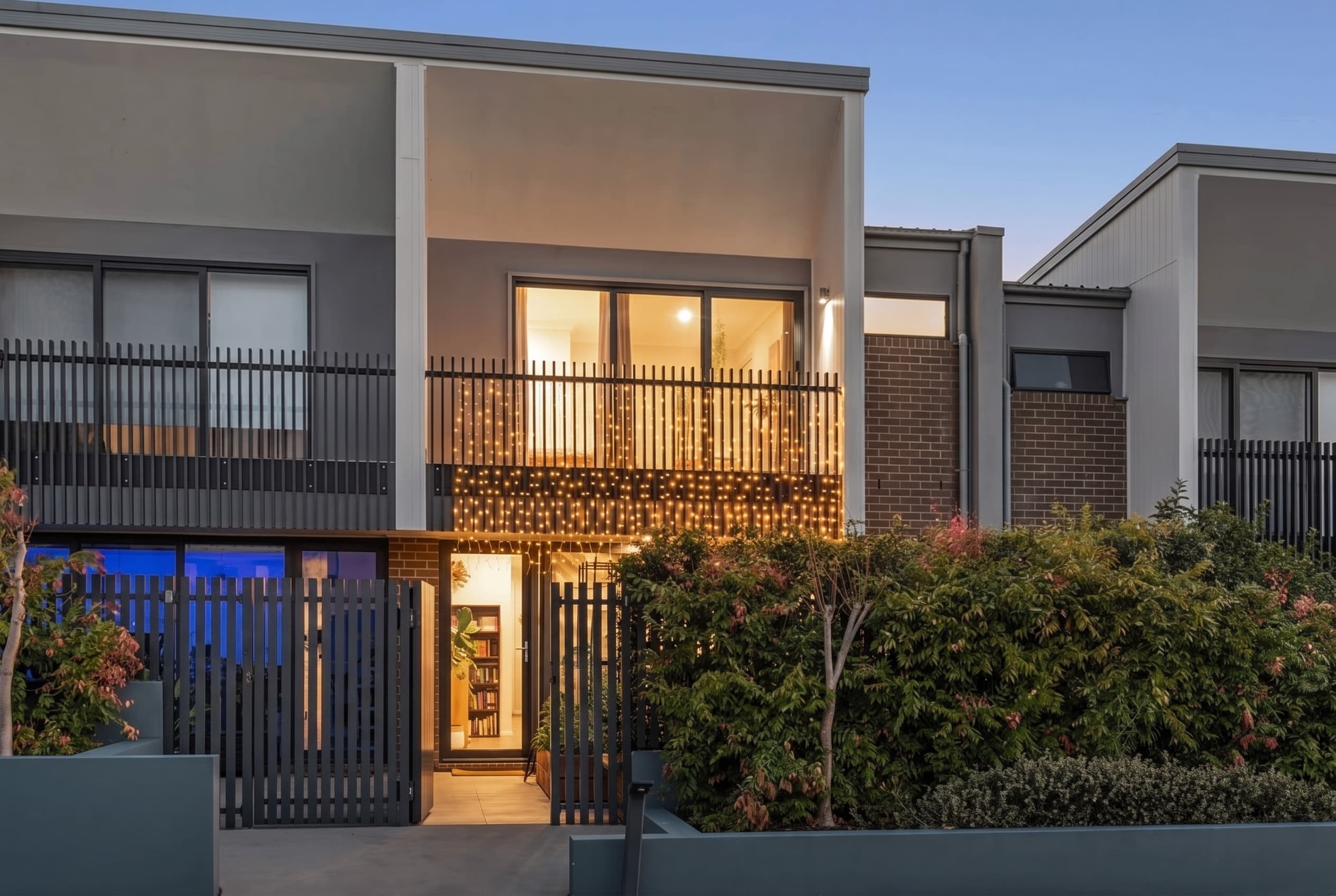
The help got bigger. What to do with it did not get easier.
Here is what changed in your favour. Since late 2025 the First Home Guarantee lets eligible first-home buyers in with a 5% deposit and no lenders mortgage insurance, with no income cap and a much higher price cap, as high as $1.5M in Sydney. That is a bigger shift than most people realise, and it puts a lot more first-home buyers in the market. Add the NSW stamp duty concessions on top. Confirm the current figures at Revenue NSW and Housing Australia, because they move.
None of that tells you what to buy with it. A bigger deposit scheme just means more first-home buyers competing for the same stock, which makes the verdict, is this one worth it, matter more, not less.
Buy to live, or rentvest? It depends where you're standing.
Try it yourself. Search realestate.com.au for a house in Sydney under a million dollars, then switch to map view. The pins cluster an hour west, out in the growth corridors. In the parts of Sydney most people want to live, the North Shore, the beaches, the east, a million dollars is a unit, if that. So a first-home buyer standing in those postcodes has three honest options: buy a unit, move an hour out, or rentvest, buy where the numbers work and keep renting where you want to live.
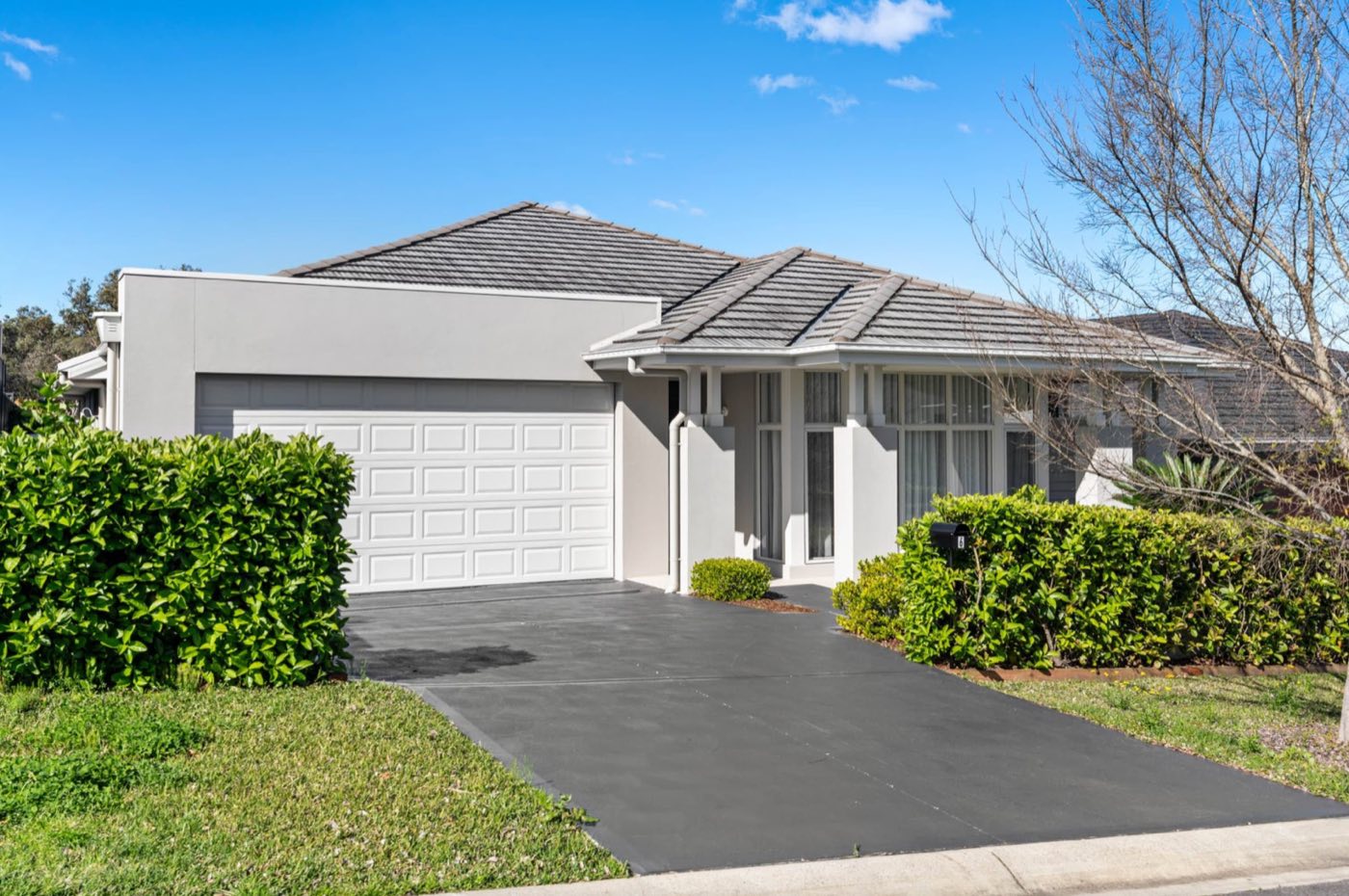
Same money, very different life. It is why so many Sydney first-home buyers rentvest into markets like Newcastle and the Hunter, where a million dollars buys a house on land instead of an off-the-plan unit or a block past Penrith.
The 2026 budget changed the maths, too. Negative gearing and the capital gains discount are being wound back on established investment property from mid-2027, while new builds keep them. So the old tax-driven version of rentvesting no longer stacks up the same way. We will not give you tax advice, that is your accountant's job. We will tell you, plainly, whether the property in front of you is a good buy either way, and which of the two paths your situation points to.
What stops most first home buyers
It is rarely about not finding a house. The real problem is uncertainty. Most first-home buyers do not stall for lack of options, they stall because they cannot be sure of the things that matter: where the market is heading, what the government is about to change, whether the selling agent is playing them, whether they are about to overpay. So they wait. And waiting, while values keep moving, quietly costs more than the mistake they were trying to avoid.
The second uncertainty is the one that matters most and is the hardest to settle alone: the pocket. Two houses on the same postcode can grow at completely different rates because of the street, the aspect, a flood or noise line, the school catchment, or what is planned next door. On a first purchase, with a tight budget and no track record to draw on, that is exactly the call a buyer cannot make with confidence. It is worth more than any amount of scrolling, and it is the one we are built to make.
You are not paying us to find a house. You are paying for the verdict on the one you found: buy it, or walk.
The version built for first home buyers
Most first-home buyers have time, and want certainty more than they want someone standing at an open home for them. So our lower-cost way to work suits them: at about half the usual fee, we source the property including off-market, do the due diligence, prep you for the inspection and run the negotiation, while you attend the inspections yourself. You stay close to it and learn how it is done, we make sure the pocket, the asset and the number are right, and you take that education into every purchase after this one. Full service, where we handle the inspections too, sits above it. Either way the guarantee holds: if we do not beat the independent valuation, you do not pay our fee.
Where you buy comes down to you
There is no single right answer, and anyone who gives you one before they understand your situation is selling, not advising. The right market depends on your budget, what you want, and where you see yourself in five or ten years. In Sydney, your budget stretches much further in some council areas than others, and for a lot of buyers a million dollars is a unit or a move out. In Newcastle and the Hunter, the same money buys far more home per dollar, with the pockets mapped suburb by suburb. We also buy well beyond both, across NSW and interstate, wherever your brief points.
One option most first-home buyers never weigh up: if you are renting in Sydney now but plan to settle somewhere else in a few years, buy there first. Hold it as an investment while you keep renting where you are, then move into it when the time comes. You are in the market early, in the place you were going to end up anyway. Whether that beats a Sydney unit or a straight investment depends entirely on you, which is the conversation worth having before you spend a dollar.
Found a place you're considering? Ask us.
Tell us the area, your budget, and a property if you have one in mind. We'll give you a straight read on whether it's worth it and what we'd pay. No script, no pressure. If a buyers agent isn't right for you yet, we'll tell you that too.
First home buyers, the questions everyone asks
Should a first home buyer use a buyers agent?
Not to find a house, you can do that yourself. The reason to use one is the verdict: is this a good buy or a lemon, is it worth the asking price, and should you buy it or walk. On a first purchase that call follows you for a decade. And a buyers agent is the only party in the deal engaged to act for you, not the seller. If you know the area cold and can read a contract without flinching, back yourself. If you want to be sure, that is the job.
My mortgage broker said I don’t need a buyers agent. Are they right?
Ask yourself what your broker sees. Borrowing capacity and bank policy, from a desk. That is a real skill, and it is not the same as knowing property. Knowing property is walking open homes every week for years, watching how buyers behave under pressure, and negotiating with selling agents until you can read them in a sentence. A broker is paid when your loan settles, whatever you buy. Take their advice on the loan. Be careful taking it on the house.
What help is there for first home buyers in NSW right now?
More than there was. Since late 2025 the First Home Guarantee lets eligible first-home buyers in with a 5% deposit and no lenders mortgage insurance, with no income cap and a higher price cap (as high as $1.5M in Sydney). There are also NSW stamp duty concessions up to a cap. The figures change, so confirm them at Revenue NSW and Housing Australia. What none of them tell you is what to buy with it. That is the part we do.
Should first home buyers rentvest?
Sometimes, and less automatically than a year ago. Rentvesting means buying an investment where the numbers work while you keep renting where you want to live. It suits buyers priced out of their own suburb, on a five-year-plus horizon. But the 2026 budget is winding back negative gearing and the capital gains discount on established investment property from mid-2027, while new builds keep them, so the old tax-driven version no longer stacks up the same way. Whether it beats buying a home to live in depends on where you are and what you earn. We will give you a straight read on the property. Your accountant handles the tax.
Is Newcastle a good place for first home buyers?
For a lot of Sydney first-home buyers, yes. Newcastle and the Hunter buy far more home per dollar, and several pockets pair that with genuine long-term growth. The catch is the local one: a ten-out-of-ten street and a one-out-of-ten street can share a postcode, so the suburb name tells you almost nothing. That call is exactly what we are built for.
Can a first home buyer afford a buyers agent?
More can than assume they can. Our lower-cost way to work is about half the usual fee: you attend the inspections, and we source the property, do the due diligence and run the negotiation. On a first purchase the tighter the budget, the more a mistake hurts, so getting the pocket and the number right matters more, not less. And the guarantee stands: if we do not beat the independent valuation, you do not pay our fee.
See also: buying in Sydney, buying in Newcastle and the Hunter, what a buyers agent costs, why people use a buyers agent at all, and purchases we've made.