Suburb profile · Maryville
Maryville's premium isn't land. It's the creek, the cycleway and a renovated cottage.
The typical house sits around $1.51M and has averaged about 8.4% growth a year over the past decade, roughly 123% in total, without a single negative year. That quietly makes Maryville one of the strongest, steadiest performers in inner Newcastle. But the thing to understand is what you are actually paying for. This is a small-lot, inner-harbour lifestyle market built around Throsby Creek and the cycleway, where the premium product is a well-renovated cottage, not a big block. Knowing which cottage is a gem and which one hides a flood or a tiny-site problem is most of what a buyers agent in Maryville is for.
The short version
Maryville is a small-lot inner-harbour lifestyle market: a 9-out-of-10 socioeconomic pocket built around Throsby Creek and the cycleway, where houses have averaged around 8.4% growth a year over the decade with no negative years. The premium is creek, cycleway and cottage character, not land size, and the entry price for a house is now about $1M. The one non-negotiable is lot-specific flood and stormwater diligence.
The premium is character, not land
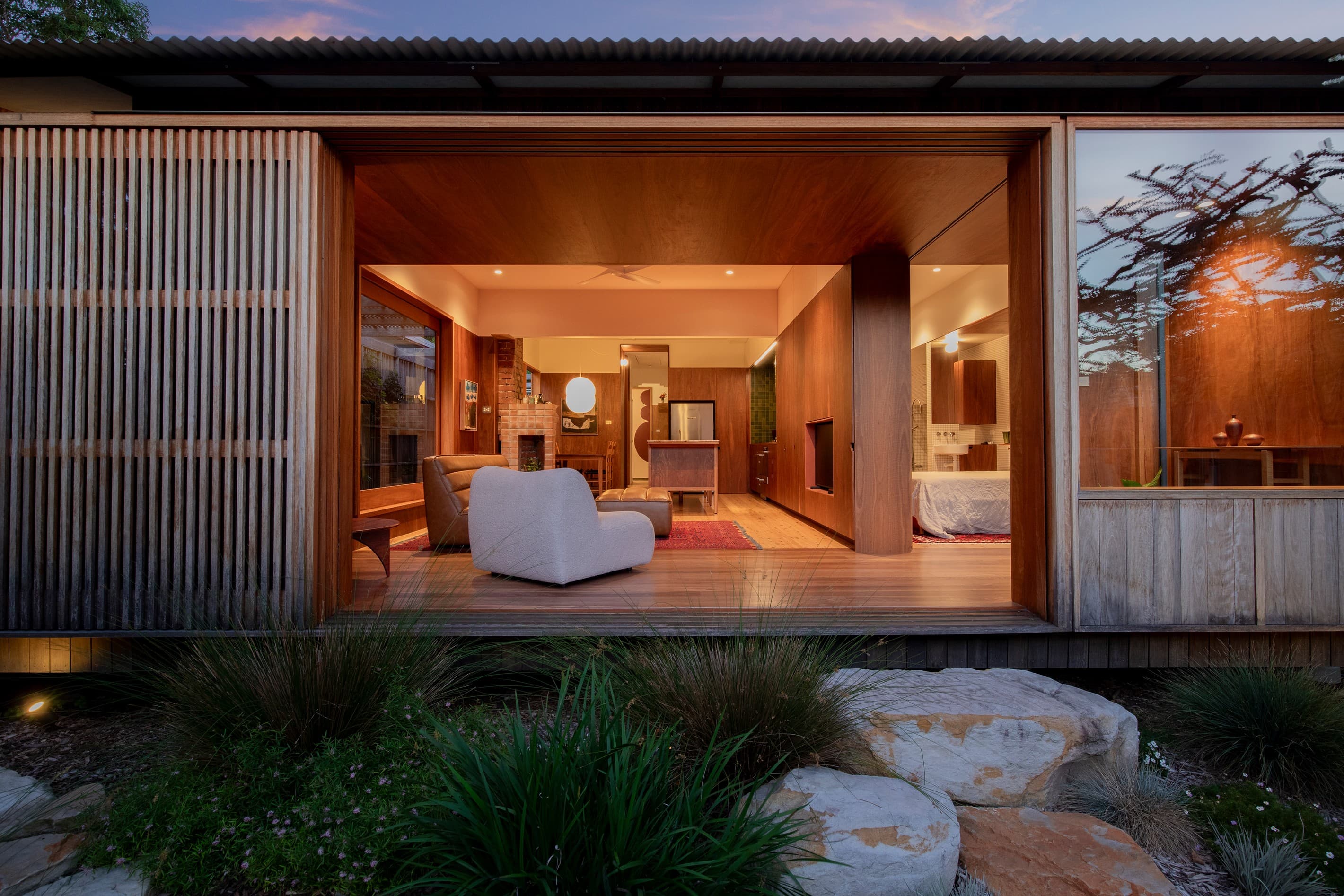
Roughly 62% of Maryville is detached, about 29% semi or attached and 8% apartments, but the detached number is misleading if you read it as suburban family housing. Much of it is small workers-cottage stock on compact 240 to 360sqm lots. The market runs from renovated cottages, through terraces and townhouses on Downie Street and the Linwood pockets, to a limited true-apartment market and the occasional architect-renovated house where parking and indoor-outdoor design have been solved well. The demand data shows how house-and-cottage led it is:
Three-bedroom houses and three-bedroom semis are where the depth is. Entry for a house is now around $1M, and the top of the market trades on The Avenue, where 33 The Avenue set the mark in 2025. Because the land is small and uniform, the renovation, the light and the flood status separate a premium cottage from an ordinary one far more than the block size does.
Houses just keep growing. Units have cooled.
Track the speed of growth rather than the price and Maryville houses are unusually consistent: every year positive, in a strong band, averaging about 8.4% a year over the decade. Units tell a different story lately. They grew well for years, but they have cooled sharply and are close to flat in the latest reading. So the "steady" money here has firmly been in the cottages and houses, not the units.
The best of it never gets listed
Stock is limited and holds up: about 41 days on market on only around 1.7 months of supply, with vacancy near 1.1% and homes held about 8.5 years. The best renovated cottages, the ones where flood, parking and light are all solved, are scarce, and plenty of them change hands quietly, on relationships, before a campaign starts. Here is the part that matters for you: when we are actively engaged on a brief, we see around 95% of the stock before it goes online. A lot of what you eventually scroll past on realestate.com.au and Domain, we had already walked through.
What buyers get wrong in Maryville
Flood is the first and biggest. The Throsby Creek geography that makes the lifestyle also makes overland flow and stormwater a genuine, lot-specific issue, so get a City flood certificate and an insurer indication before you commit, do not rely on how high or dry a block looks on inspection. The second is the tiny site: a 300sqm cottage works because of its courtyard and light, and the wrong extension destroys exactly that, so more building is not automatically more value. The third is parking and rear-lane assumptions, confirm legal access, dimensions and title rather than trusting the photos. The fourth is townhouse strata and community-scheme costs, modern does not mean cost-free. And the Hannell Street traffic edge is a different living experience from the internal cottage streets, price it that way.
What's coming / catalysts
Read Maryville as a spillover beneficiary of the inner-west urbanisation rather than a suburb with one giant rezoning of its own. Hamilton Station is one of Newcastle's Transport Oriented Development precincts, and the Wickham and Newcastle Interchange area keeps absorbing apartment density nearby. That makes Maryville's low-rise cottage character relatively scarcer over time, Wickham gets the towers, Maryville keeps the scarcity value of staying low. The Throsby Creek cycle and walking network remains one of the strongest car-free connections into the inner city. Note the transport controls apply to mapped land near the stations, so do not assume the whole suburb sits inside a rezoning area.
The part the data can't price
The numbers explain the growth. They do not explain why people who move here stop driving. Uprising Bakery on Downie Street is a genuine destination, Hayl Mary is another local, and Islington Park and the Throsby Creek foreshore cycleway are the everyday backbone. Beaumont Street in Hamilton and the Wickham and Newcastle West venues broaden the dining materially, and the CBD is roughly 4 km away, close enough that cycling often beats driving at peak. It is inner-city living without the towers, which is exactly why the good cottages are so tightly held.
Get the number we'd pay in Maryville
Tell us what you're after. We'll tell you, honestly, what it's worth and whether we can beat the valuation. If we can't, you won't hear a sales script.
Maryville buyers, the questions everyone asks
Is Maryville a good place to buy property?
For a cottage-and-lifestyle buyer, yes, and the numbers are quietly excellent. Maryville houses have averaged around 8.4% growth a year over the past decade, about 123% in total, without a single negative year, which is one of the strongest, steadiest runs in inner Newcastle. But the premium here is not land size. It is the creek, the cycleway and a well-renovated cottage. The one real diligence item is flood and stormwater, because the same low-lying geography that creates the lifestyle also needs checking lot by lot.
How much do you need to buy in Maryville?
As at Q3 2026 the typical house sits around $1.51M and the typical unit around $1.12M, and entry level for a house is now about $1M. The top of the market trades on The Avenue, where 33 The Avenue set the high mark in 2025. Because so much of the "detached" stock is small workers-cottage land, condition and renovation quality drive price far more than block size does.
Houses or units in Maryville?
Houses are the star here: steady growth around 8.4% a year over the decade with no negative years. Units grew well for years but have cooled hard recently, down to around 0.2% in the latest year, so they are the more cyclical, and currently the softer, play. Just remember most Maryville houses are compact cottages, so you are buying character and location, not a big backyard.
What are the best streets in Maryville?
Estell Street and the positions facing or near Throsby Creek are the premium end, with the creek and Islington Park as the differentiators. Lewis Street, Northumberland Street and McMichael Street are strong interior cottage streets, quieter and away from Hannell Street. Downie Street is mixed but desirable, anchored by Uprising Bakery. Price carefully along the Hannell Street traffic edge and on the lowest creek-adjacent land, where you should get a Flood Information Certificate for the specific lot.
Source: HtAG Analytics, typical values as at Q3 2026. Growth p.a. is the 10-year average annual change in typical value (10-year total 123%).
See also: buying across Newcastle, Newcastle purchases we've made, what a buyers agent costs, and how we buy in neighbouring Islington, Wickham and Hamilton.