Overseas and expat buyers
Can foreigners buy property in Australia? Yes, within the rules.
If you hold an Australian passport, yes. You buy like a local, no matter where you live, with no approval needed. If you are a foreign national, you can still buy, but only new dwellings and vacant land, and only with FIRB approval, not an established home while the current ban runs to 30 June 2029. The detail decides everything, and it has changed recently, so here is the current version in plain terms, with every rule linked to the source.
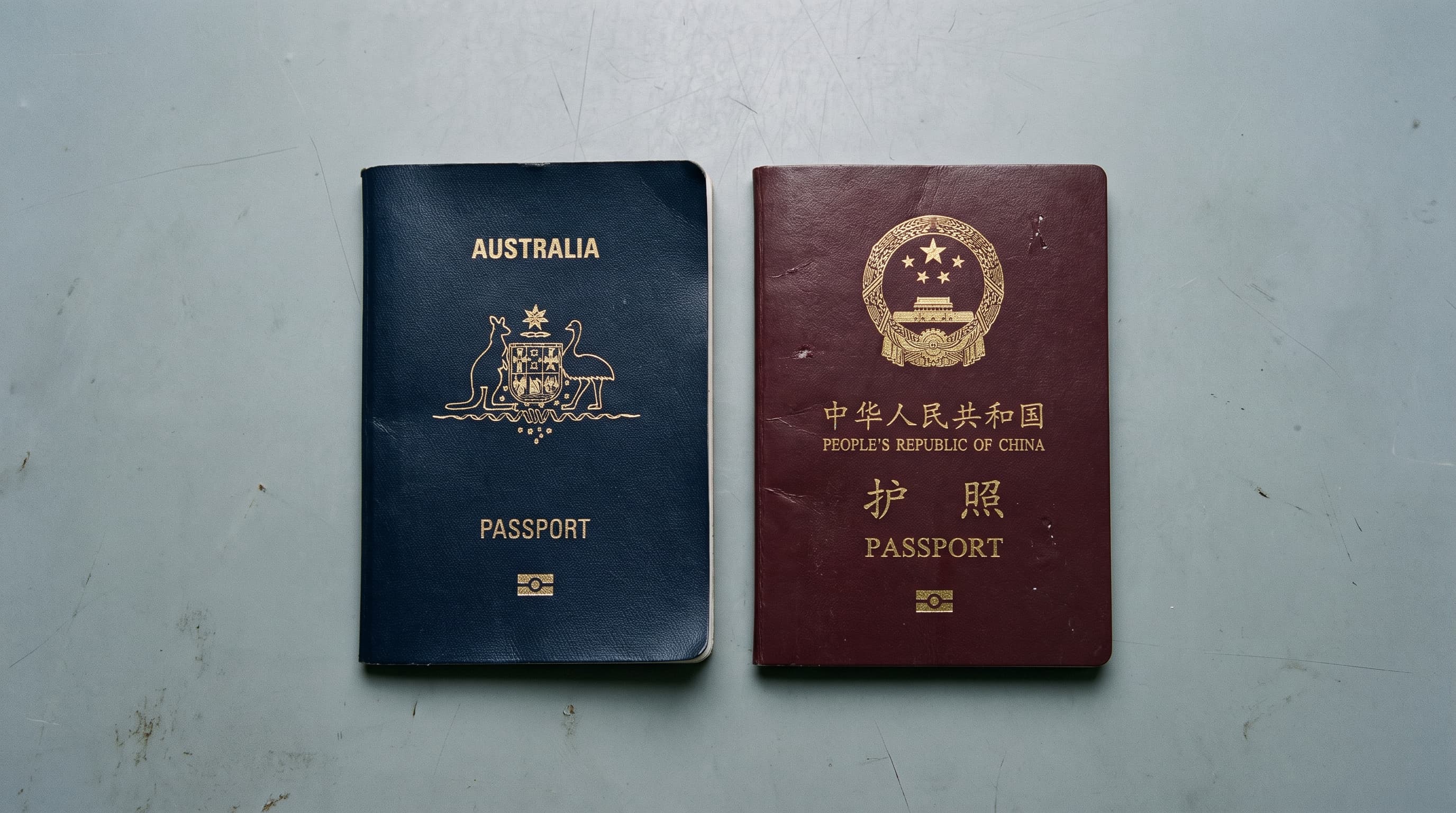
Who can buy what
| You are | FIRB approval | What you can buy |
|---|---|---|
| Australian citizens (including expats living overseas) | Not required | Anything: established, new, or vacant land, exactly like a local. |
| Permanent residents | Not required | Anything, treated as not a foreign person. |
| Eligible New Zealand citizens | Usually not required | Generally as a local, if you hold the qualifying visa. Confirm your status. |
| Temporary residents (work, student and similar visas) | Required | New or near-new dwellings, or vacant land to build on. Not an established dwelling while the ban runs. |
| Foreign non-residents (offshore, no visa) | Required | New or near-new dwellings, or vacant land for development (build within four years). Not an established dwelling while the ban runs. |
Source: Foreign Investment in Australia and the ATO, as at 2 September 2026. Rules change. Confirm your own status before you act.
The established-dwelling ban, plainly
From 1 April 2025 to 30 June 2029, foreign persons are banned from buying established dwellings in Australia. The ban was extended in the 2026 to 2027 Budget. It covers temporary residents as well as non-residents, and it applies whether you want the home to live in or to invest. There are only limited exceptions, such as investment that clearly adds housing supply, certain Australian-based employees, and a spouse buying jointly with an Australian citizen or permanent resident.
What foreign persons can still do is buy new or near-new dwellings, and vacant residential land you commit to building on within four years, with FIRB approval. The whole design is to push foreign investment toward creating housing rather than competing for the existing stock. If you are a foreign person set on an established house, we will tell you straight that the door is mostly shut until the ban lifts, rather than take a brief we cannot deliver.
If you hold an Australian passport, none of that applies to you
An Australian citizen is not a foreign person, no matter how long you have lived overseas. No FIRB approval, no ban, no surcharge on the purchase itself. You buy established, new or vacant property on the same footing as someone who never left. Permanent residents are treated the same way, and eligible New Zealand citizens usually are too. So for the large group of Australian expats weighing a purchase back home, the legal part is simple. The hard part is buying well from the other side of the world, which is the part we do.
Moving to Australia from the UK or the US? Your visa decides, not your passport
This is the thing most people relocating get wrong: whether you can buy is not about being British or American, it is about the visa you hold when you sign. Nationality is beside the point. Arrive with permanent residency, which some skilled migrants do, and you buy like a local, established homes included. Arrive on a temporary or skilled work visa and you are a foreign person until permanent residency comes through, which means FIRB approval and, while the ban runs to 30 June 2029, new dwellings or vacant land only.
So the timing of a purchase often matters as much as the price. A lot of people moving from the UK or the US rent for the first stretch, get their residency sorted, then buy without restriction. Others buy a new build or land with approval in the meantime. Either path can be right. What breaks people is committing to a property before they understand which category they are in on settlement day. Tell us your visa and your timeline and we will map it before you fall for a house.
The costs a foreign buyer carries that a local does not
If you are a foreign person and buying what you are allowed to buy, budget for four extra costs on top of the price. Confirm the current figures at the source before you commit, because they move.
- FIRB application fee, which scales with the property value and is paid before you buy.
- A foreign purchaser stamp duty surcharge, charged on top of normal transfer duty and set by each state, so it varies by where you buy.
- An annual vacancy fee if the dwelling sits empty for more than 183 days in a year.
- Capital gains withholding taken at settlement when a foreign resident later sells.
None of this is a reason not to buy. It is a reason to run the real numbers before you fall for a property, which is exactly the discipline we bring.
Where we come in: your eyes on the ground
Distance is the strongest case there is for a buyers agent. You cannot be at every inspection, you cannot read a building or strata report over someone's shoulder, and you cannot sit in an auction room in a timezone twelve hours away. That is our job: to inspect the property properly, price it honestly, find what the listing will not say, and hold the line in the room so you do not overpay from afar. For overseas buyers, full service is the natural fit, because we do the inspections you cannot. And the guarantee still holds: if we do not beat the independent valuation, you do not pay our fee.
We buy across Sydney, Newcastle and the Hunter, and beyond, wherever your brief points. If you are an expat planning to move home in a few years, there is also a case for buying where you will land now and holding it until you arrive.
Buying from overseas? Tell us your situation.
Tell us your citizenship or visa status, your budget, and where you are looking. We will tell you honestly what you are allowed to buy, what it is worth, and whether we can beat the valuation. If the rules do not allow what you want right now, we will say so.
Overseas and expat buyers, the questions everyone asks
Can foreigners buy property in Australia?
It depends who you are. Australian citizens, including expats living overseas, and permanent residents can buy any property with no Foreign Investment Review Board approval. Foreign persons, which includes temporary residents on most visas and non-residents offshore, cannot buy an established dwelling while the current ban runs from 1 April 2025 to 30 June 2029. They can still buy new or near-new dwellings and vacant land for development, with FIRB approval. Confirm your own status at foreigninvestment.gov.au.
Do Australian expats need FIRB approval?
No. An Australian citizen is not a foreign person, no matter where they live. If you hold an Australian passport you can buy established, new or vacant property in Australia without FIRB approval, the same as someone living here. The rules that change are for temporary residents and non-citizens.
Can I buy property in Australia when moving from the UK?
It depends on your visa, not your nationality. If you arrive with permanent residency you buy like a local, with no FIRB approval and no ban. On a temporary or skilled work visa you are a foreign person: you need FIRB approval, and while the ban runs to 30 June 2029 you can buy a new dwelling or vacant land but not an established home. Many UK movers rent first, secure permanent residency, then buy freely.
Can Americans buy property in Australia when relocating?
Same rule as anyone moving here: your visa status decides, not your US citizenship. Permanent residency means you buy like a local. A temporary visa makes you a foreign person, so you need FIRB approval and can buy new or vacant, not established, while the current ban runs. If you are unsure of your status, confirm it before you commit to anything.
Can a foreign buyer purchase an established house right now?
Generally no. From 1 April 2025 to 30 June 2029 foreign persons, including temporary residents, are banned from buying established dwellings, with only limited exceptions (such as redevelopment that adds housing, certain Australian-based employees, or a spouse buying jointly with an Australian citizen or permanent resident). If you want an existing home and you are a foreign person, that path is largely closed until the ban lifts. We will tell you that plainly rather than take a brief we cannot deliver.
What can a foreign buyer buy in Australia?
New or near-new dwellings, and vacant residential land you commit to building on within four years, with FIRB approval. The point of the rules is to steer foreign investment toward adding housing supply rather than competing for existing homes.
What does it cost a foreign buyer beyond the price?
More than a local pays. There is a FIRB application fee that scales with the property value, a foreign purchaser stamp duty surcharge on top of normal duty (it varies by state), an annual vacancy fee if the home sits empty for more than half the year, and capital gains withholding when a foreign resident later sells. The exact figures change, so confirm the current ones at foreigninvestment.gov.au and the ATO before you budget.
Can you buy property in Australia for me while I am overseas?
Yes, and it is the clearest case for using us. If you cannot fly in for every inspection and auction, you need someone whose judgement you trust to be your eyes on the ground, price the property honestly, and hold the line in the room. Distance is the reason to have representation, not a barrier to it. Full service suits overseas buyers best, because we do the inspections you cannot.
This page is general information current as at 2 September 2026, not legal, migration, tax or financial advice. Foreign-investment rules change and your situation is specific to you. Confirm the current rules and your own status with the Foreign Investment Review Board and the ATO, and get your own professional advice before you commit.
See also: buying in Sydney, buying in Newcastle and the Hunter, what a buyers agent costs, and purchases we've made.